How to Choose Artificial Turf - Weight, Pile, Backing and What Suits Your Yard
Turf product pages are full of numbers, and the one in the biggest type is rarely the one that matters. Pile height grabs attention; face weight, fiber shape and the backing are what decide whether your synthetic lawn still looks real after years of kids, dogs and summer sun. Here is how to read a spec sheet, what each price tier really buys, and what to choose for pets, play and hot climates.
General guidance for US yards. Specs, warranties and infill requirements differ between manufacturers - always check the spec sheet for the exact product, and check HOA rules and any water-utility rebate terms before you buy. Part of the PlantMapper Artificial Turf section.
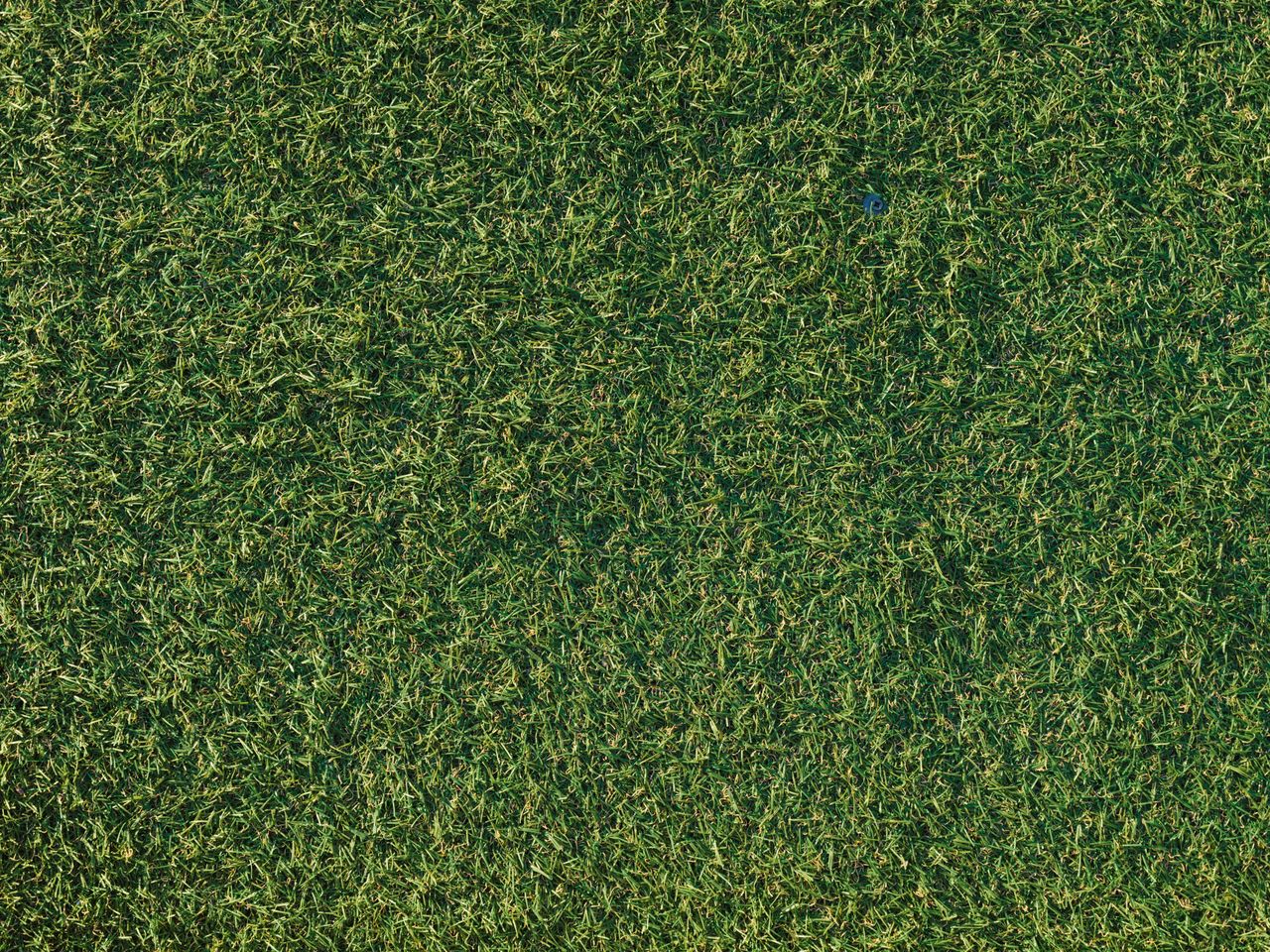
Weight and fiber shape count for more than blade length · photograph via Pexels
Where to start
Four specs matter, and the headline one matters least
Sales pages lead with pile height because it is easy to picture and sounds like luxury. Of the four specs worth comparing, it tells you the least about how the turf will hold up.
The other three are face weight (how many ounces of fiber per square yard, a stand-in for density), fiber shape and material, and the backing. Face weight keeps the blades from splaying and matting; fiber shape makes them spring back and look natural; the backing decides how fast water and urine drain and how well the turf stays flat.
This guide explains each, shows what the budget, mid-range and premium tiers really buy, and covers the choices that change for kids, dogs, shade, slopes and hot, sunny climates. If you are still deciding whether turf is right for you at all, start with Pros and Cons.
Reading the spec sheet
The specs that matter
What each one means and how much attention to give it.
Artificial turf specifications, what they mean and how much they matter.
Spec
What it means
How much it matters
Face weight (oz per sq yd)
The weight of the fibers alone, per square yard. Residential turf is commonly somewhere around 50 to 90 oz. Do not confuse it with total weight, which includes the backing
The most useful single number. Higher face weight, at a similar pile height, means denser turf that resists matting. If you compare one figure, compare this
Pile height
Blade length, usually about 3/4 in to 2 in
Matters less than you would think, and taller is not better - see below
Fiber shape
The blade cross-section: flat, C, V, S, W, diamond or stem-reinforced
Important. Shaped fibers resist bending and bounce back; flat ribbon blades lie down and shine
Backing
Latex with punched holes, polyurethane, or fully permeable (flow-through)
Important, especially for dogs and drainage. Polyurethane is more stable than latex
Yarn material
Polyethylene for the main blades, often nylon or polypropylene for the thatch
Polyethylene is softer and more natural; nylon is tougher but stiffer and can feel harsher
Color blend
How many shades of green are in the blades, plus a tan or brown thatch layer
Two or three greens plus a thatch keeps it from looking flat and fake
UV protection and warranty
Resistance to fading in strong sun; warranties commonly 8 to 15 years or more
Worth reading the fine print, especially in the Sun Belt where UV is intense
Roll width
Most often 15 ft; some products also come in 12 ft
Very important in practice. It decides how many seams you need - see Measuring
If you only compare one thing, compare face weight at a similar pile height. Two products with the same 1 1/4 in blade can perform completely differently: a light one splays and mats in a few seasons, while a heavier one still stands up years later. You can feel it, too - hold two samples of the same size and the denser one is obviously heavier.
The question everyone asks
Pile height - and why longer is not better
Longer blades look lusher in the photo. In real yards, a long, light pile is exactly what produces the flattened, matted look that gives synthetic turf a bad reputation.
Pile heights and what each suits in a typical US yard.
Pile height
Looks like
Best for
Watch out for
About 3/4 in or less
Short and tight, close to a putting green
Putting greens, balconies, dog runs, play areas, very heavy traffic
Looks like a sports surface rather than a lawn over a big area
About 1 to 1 1/2 in
A neat, freshly mowed lawn
The all-round choice for most backyards and front yards; the best balance of looks and durability
Very little - this is the safe default
About 1 1/2 to 1 3/4 in
A softer, slightly longer lawn
Low-traffic ornamental areas, front yards seen from the street
Needs a high face weight to stay upright, or it lies over and mats
2 in and longer
Long and plush in the showroom
Very light use only; display areas
Usually a mistake in a yard. It flattens under traffic and rarely recovers
✓What actually makes turf look real
High face weight, so the blades hold each other up.
A tan or brown thatch layer at the base, imitating the dead growth in a real lawn.
Several greens rather than one uniform color - and in dry Western climates, a blend with some olive or field green looks more at home than an emerald one.
A low-sheen finish. Shine is the biggest giveaway from across the yard.
Shaped blades - C, V, S, W or diamond section - that resist bending.
A moderate pile, around 1 to 1 1/2 in, like grass that is actually mowed.
!What gives it away
One bright, uniform green, especially a slightly blue-tinged green.
Shine in the sun. Real grass is matte.
A long pile lying flat in one direction.
Visible seams, or the grain changing direction between pieces.
A hard, straight edge against a flower bed with nothing spilling over it.
No tan or brown at all. Every real lawn has some.
What your money buys
The price tiers, honestly
Products fall into fairly clear groups, and the differences show up after a few years rather than on install day. Prices are rough, material-only ranges and vary by region and supplier.
Budget
roughly $1.50-3/sq ft
Light face weight, flat ribbon blades, one or two
greens, little or no thatch and a basic latex backing with punched holes. Looks fine
on the roll and obviously fake once installed, and the pile splays in a few
seasons of real use.
LifeOften 5 to 8 years, less in heavy traffic or harsh sun
Best forBalconies, rentals, temporary areas, a strip beside the trash cans
FeelsA bit scratchy underfoot; sometimes all polypropylene
Watch out forShine, one flat color, and matted traffic paths within a few years
Honest verdictFine for a small utility spot. A poor buy for a yard you look at every day
Mid-range
roughly $3-5/sq ft
Moderate to high face weight, shaped polyethylene
blades, several greens plus a thatch, a pile around 1 1/4 in and often a polyurethane
or flow-through backing. This is where synthetic turf starts to look convincing,
and where most homeowners should be shopping.
LifeRoughly 10 to 15 years
Best forMost backyards - the sensible default
FeelsSoft enough to sit on; comfortable for kids
LookLow sheen, multi-tone, hard to spot from a normal distance
Honest verdictThe best value. Going cheaper is usually a false economy
Premium
roughly $5-8+/sq ft
Heavy face weight, complex blade shapes, several
tones, a dense, lifelike thatch and a fully permeable backing, sometimes with
heat-reducing fiber technology. Some brands now offer recyclable or single-polymer
products, which is worth asking about. From a few feet away it is hard to tell from a
well-kept lawn.
Life15 years or more, with longer warranties
Best forSmall yards seen up close every day, front yards on show, homes with dogs
FeelsGenuinely soft; the closest to real grass underfoot
LookConvincing up close as well as from the street
Honest verdictWorth it on a small yard where every square foot is visible; harder to justify over a big area
Pet, putting and sports turf
roughly $3-6/sq ft
A different category rather than a quality tier: short pile, very
dense, built for constant use. Pet turf adds a flow-through backing and often
antimicrobial treatment. It does not read as a lawn over a whole yard, but for a dog run,
a putting green, a play zone or a rooftop it outlasts everything else.
LifeLong, even under heavy use
Best forDog runs, putting greens, play areas, rooftops, balconies
FeelsFirm rather than soft; less pleasant to lie on
LookSporty over a big area, fine in a defined zone
Honest verdictThe right call where durability matters more than looks
Underneath
Backing and infill
Two details that are easy to skim past on a sales page and matter a lot afterward.
The backing
Latex, polyurethane or fully permeable
The backing locks the blades in and controls how water escapes. A poor one is also what wrinkles and stretches in summer heat.
Latex is the cheaper standard, with drain holes punched every few inches
Polyurethane is more dimensionally stable and resists wrinkling - the better choice
Fully permeable (flow-through) backings drain across the whole surface - choose this if you have dogs
Check the drainage rate on the spec sheet if you get heavy downpours or have slow-draining clay
Infill
Usually needed, and it is not filler
Infill brushed into the blades weighs the turf down, holds the fibers upright and shields the backing from UV.
Silica sand - the inexpensive standard
Coated (acrylic-coated) sand - rounder, cleaner and popular in pet areas
Zeolite - a mineral that traps ammonia, used where dogs pee
Organic infills (cork, walnut shell, coconut fiber) - sold as cooler, but can break down or float; follow the maker's rate and type, often 1 to 2 lb per sq ft for sand
Crumb rubber
Mainly for sports fields
Recycled tire crumb rubber cushions athletic fields. In a home yard it is rarely needed and brings its own downsides.
Not required for a residential lawn - sand-based infills are the norm
It holds heat and can smell in hot weather, and it gets tracked indoors
Health and environmental questions have been raised and studied; many homeowners simply avoid it
If a quote includes it, ask why
Pads and underlay
Only where they earn their keep
A foam shock pad adds softness and, under play equipment, fall protection. It also adds cost and one more layer to get right.
Worth it under swing sets and climbers, rated for the fall height of the equipment
Worth it on rooftops or over concrete, where there is no stone base
Not needed on an ordinary lawn over a properly compacted base
It must be permeable, or you have built a tray
Matching it to your household
Kids, dogs, shade, heat and slopes
Situations where the right product changes.
For kids - and for hot, sunny yards
Families are one of the biggest turf buyers, and a few choices make a real
difference.
Softness - choose polyethylene blades and a mid-range or premium product.
Cheap turf is rough on knees
A shock pad under play equipment, rated for the fall height of what you
are installing
Plan for heat. Synthetic turf in full summer sun, especially in the
Southwest, gets much hotter than real grass and can be too hot for bare feet and paws.
Shade trees or a shade sail help most; heat-reducing fibers, lighter blends, some
infills and a quick hose-down help a little
About 1 to 1 1/2 in pile is the sweet spot - soft enough to play on,
short enough to stand up
Nail the edges properly. Kids find a loose edge within a week
For dogs
Turf ends muddy paws and dug-up patches, and adds one new job. Choose for it
from the start.
Fully permeable (flow-through) backing, not just punched holes. This is
the single most important choice for a dog owner
Shorter pile, around 3/4 to 1 1/4 in, so waste is easy to pick up and the
surface rinses clean
High face weight, because dogs wear the same paths and corners
Pet-friendly infill - coated sand, or zeolite where they pee, to help with
ammonia odor
Plan the routine now: regular rinsing in hot weather and an enzyme cleaner.
See Maintenance
For shade and tough spots
Where real grass simply will not grow, turf makes its strongest case.
Any tier looks fine in shade, because there is no strong sun to show up
the shine
Drainage matters more, because shady ground dries slowly. Do not cut
corners on the base
Expect some moss or algae in damp, deep shade - it grows in debris on top,
not in the turf. Brush and rinse it off
Under trees, be prepared for leaves, needles and seed pods. Clearing them
is a real fall chore
Tree roots mean digging the base carefully; avoid cutting large roots
For slopes, balconies and rooftops
Each has its own rules.
On a slope use a shorter pile, which stays upright, and secure the top edge
thoroughly, or the turf will creep downhill
On a slope, the base needs extra compaction or stepping so it does not
wash or slide
On a balcony or rooftop, there is no stone base - lay over a permeable pad
or drainage mat, never straight onto a waterproofing membrane
Weight matters on a roof; have the structure checked for the load
Keep drains clear. Never cover a roof drain or scupper with turf
Before you order
How to test a sample properly
Ten minutes with three samples in your own yard tells you more than an hour in a store under fluorescent lights.
Always get physical samples
Most reputable suppliers send them free or for a small fee. Screen colors are not
turf colors, and product photos are shot in flattering light on perfect installs.
Look at them outside, in your yard
Set them down where the lawn will go and look at them in full sun and on an
overcast day. Shine is the biggest giveaway, and store lighting hides it.
Leave one in the afternoon sun
In a hot climate, leave the samples in direct sun for a while and touch them with the
back of your hand. It is a quick, honest way to compare how warm each one gets.
Crush the pile and watch it recover
Press hard with your palm for ten seconds and let go. Good, dense, shaped-fiber turf
springs back almost at once. Cheap turf stays flat - and that is what your traffic
paths will look like in a few years.
Compare weight and view from a distance
Hold two same-size samples; the heavier is denser. Then set them down and walk about
30 ft away. Most of the time you will see the lawn from the back door or an upstairs
window, not from arm's length.
Check the back
Flip it over. Look for polyurethane rather than latex, and see whether the whole
backing is permeable or relies on punched holes.
Money and quantity
What to budget, and how much to order
Very rough US ranges for planning only; prices vary a lot by region, supplier and site access. The turf itself is often less than half the installed cost.
Rough US cost ranges. Materials only unless stated.
Item
Rough cost
Notes
Budget turf
About $1.50-3 per sq ft
Fine for small utility areas
Mid-range turf
About $3-5 per sq ft
The sensible default for a yard
Premium or pet turf
About $5-8+ per sq ft
Worth it on a small yard seen up close, or for dogs
Crushed stone road base
Often $30-60 per ton, plus delivery
Roughly 1 cubic yard per 100 sq ft at 3 in deep
Decomposed granite or stone dust
Often $40-80 per ton, plus delivery
About 1/2 to 1 in leveling layer on top of the base
Landscape fabric
A few cents to about 25 cents per sq ft
Permeable woven grade, if used
Bender board or treated boards
Roughly $1-3 per linear foot
For nailing the perimeter
Seaming tape and adhesive
Roughly $1-3 per foot of seam
Or self-adhesive seam tape
Infill
From under $10 per 50 lb bag (silica sand) to much more for zeolite or coated sand
Follow the maker's rate, often 1-2 lb per sq ft for sand
Dumpster for the old lawn
Commonly a few hundred dollars
You will remove 3-4 in of soil across the whole area
Professional installation, all in
Roughly $8-20 per sq ft
Groundwork and labor are most of it; get several quotes
How much to order
Measure the area, then order in full roll widths, not just square footage.
Most turf comes 15 ft wide, every piece must have its grain running the same way, and you
cannot turn a piece sideways to fill a gap - so a 20 ft x 20 ft yard needs a 15 x 20 ft
piece plus a 5 x 20 ft strip cut from another full-width roll, not simply 400 sq ft. Add
about 4 in on every side for trimming, and expect real waste of 15 to 30 percent on
anything that is not a simple rectangle.
Before you buy, check two local things: whether your HOA needs to approve the product (many specify color and pile), and whether you are counting on a water-saving rebate. Some water utilities offer turf-replacement rebates for removing lawn, but many exclude synthetic turf and only pay for living, water-wise plants, so read the terms first.
Buying mistakes
Six ways to buy the wrong turf
1. Buying on pile height
A long blade with a light face weight is the combination that gives you the flat, matted look people associate with cheap turf.
The fixCompare face weight first. A heavier 1 1/4 in turf beats a light 2 in one.
2. Ordering square footage instead of roll widths
Turf comes in fixed widths and the grain must all run one way, so ordering the exact square footage almost always leaves you short.
The fixDraw the roll layout on paper first, then order full widths plus about 4 in all around.
3. Choosing from a photo or a screen
Color and, above all, shine cannot be judged on a phone or under store lights.
The fixGet samples, lay them outside in your own yard, and look in bright sun and on a gray day.
4. Choosing a hole-punched latex backing for dogs
Punched holes let urine pool between them and residue build up, which causes the odor people complain about.
The fixChoose a fully permeable pet turf from the start. It costs a little more and solves the problem.
5. Ignoring heat in a sunny yard
In the Southwest and much of the South, turf in full afternoon sun can be too hot to use when you most want to be outside.
The fixPlan shade first, test samples in the sun, and consider heat-reducing fibers or infill. Skip crumb rubber.
6. Saving on turf and skimping on the base
The base costs about the same whatever turf goes on top, and a poor base ruins even the most expensive product.
The fixBudget the groundwork first, then spend what is left on the best turf it will buy.
About 1 to 1 1/2 in suits most backyards - it looks like a neatly mowed lawn and is short enough for the blades to stay upright. Go shorter, around 3/4 in, for dog runs, putting greens, balconies and heavy-traffic play areas. Avoid 2 in and longer in a yard: it looks plush in the store and lies flat under real use.
What is the most important thing to look for in artificial turf?
Face weight - the ounces of fiber per square yard - compared at a similar pile height. It is the best simple guide to density, which is what stops the blades splaying and matting, and it is the difference between a lawn that still stands up years later and one that is flattened in a few seasons. You can feel it by comparing the weight of two same-size samples in your hands.
How can I tell good artificial turf from cheap turf?
Press the pile hard with your palm for ten seconds and let go - good turf springs back almost immediately, cheap turf stays flat. Then look for several greens plus a tan thatch layer, a low-sheen rather than shiny finish, shaped rather than flat ribbon blades, and a polyurethane or fully permeable backing. Judge samples outside in your own yard, never under store lighting.
What is the best artificial turf for dogs?
Pet turf with a fully permeable, flow-through backing is the key choice - not just punched drain holes - because it lets urine drain straight through instead of pooling. Pair it with a shorter pile of around 3/4 to 1 1/4 in so waste is easy to pick up and the surface rinses clean, a high face weight because dogs wear the same paths, pet-friendly infill such as coated sand or zeolite, and a well-draining stone base underneath.
Does artificial turf need infill?
Most products do, and it does real work. Infill brushed into the blades weighs the turf down so it stays flat, holds the fibers upright and protects the backing from UV. Silica sand is the budget standard; coated sand, zeolite and organic infills are alternatives. Use the type and rate your turf maker specifies, often roughly 1 to 2 lb per sq ft for sand, and top it up every few years.
Should I use crumb rubber infill in my yard?
Usually not. Crumb rubber is mainly a sports-field infill used for cushioning. In a home yard it is rarely needed, it holds heat and can smell in hot weather, it gets tracked around, and health and environmental questions about it have been raised. Sand-based infills are the norm for residential lawns; if a quote includes crumb rubber, ask why.
How much artificial turf should I order?
Order full roll widths, not just square footage. Most turf comes 15 ft wide, the grain must all run the same way and pieces cannot be turned to fit, so a 20 x 20 ft yard needs a 15 x 20 ft piece plus a 5 x 20 ft strip. Add about 4 in on every side for trimming and expect 15 to 30 percent waste on anything that is not a simple rectangle.
Is expensive artificial turf worth it?
On a small yard you see and use every day, usually yes - the gap between budget and mid-range is obvious within a few years, and mid-range is where turf starts to look convincing. Over a large area, or for a utility strip or balcony, premium is harder to justify. The real false economy is putting budget turf on a properly built base that you paid full price for.
Which artificial turf stays coolest in hot climates?
No synthetic turf stays as cool as living grass in strong sun. Some products use heat-reducing fiber technology, lighter color blends or cooling infills, and they can help a little, but shade from trees, a patio cover or a shade sail makes the biggest difference. In the Southwest especially, test samples in the afternoon sun before you buy and plan shade for play areas and dogs.
Can I get a rebate for installing artificial turf?
Sometimes, but do not assume it. Some water utilities and cities, mostly in drought-prone areas, offer rebates for replacing thirsty lawn, yet many programs exclude synthetic turf and only pay for living, water-wise landscaping. Programs change often, so check your water provider's current terms - and get any required pre-approval - before you remove the old lawn.