

Why grow gooseberries?
You rarely see gooseberries in American grocery stores, which is the best reason to grow your own. They are hardy shrubs for northern and high-elevation gardens (roughly USDA zones 3-8), they tolerate part shade, and a mature bush crops for 15-20 years. Before you buy, there is one American wrinkle: gooseberries belong to the genus Ribes, which some states still regulate because of white pine blister rust. More on that below.
A big harvest from one shrub
An established bush yields roughly 8-10 pounds of berries a season and keeps going for well over a decade. For the space it takes, few fruits give back more.
Tart or sweet, your choice
Pick firm and green for tangy pies, jam and chutney, or let the berries hang until they soften and sweeten for eating fresh.
Built for cold winters
Gooseberries shrug off subzero winters, grow in sun or partial shade and handle most soils. Where summers are mild they are one of the simplest fruits to grow.
An early-summer crop
Green berries are ready for cooking about the time strawberries finish, from June in zones 6-7 to July further north, ahead of most tree fruit.

Gooseberries in the Fruit Trees & Bushes collection
Gooseberries
A tough, cold-hardy shrub that gives tart cooking fruit and sweet dessert berries for many years.
You are hereCurrants
Black, red and white currants for juice, jelly, baking and fresh eating.
Blueberries
Compact shrubs for acidic soil or containers of acid potting mix.
Raspberry Canes
Summer-bearing and everbearing canes for bowls of berries.
Grow Your Own
Vegetables, herbs and salad greens to grow beside your fruit.
American vs European gooseberries, green vs red
Nurseries in the US sell two broad groups. American types (bred from native Ribes hirtellum) have smaller berries but strong resistance to mildew. European types (Ribes uva-crispa) have bigger, often sweeter fruit but are more prone to mildew. Many modern varieties are crosses that aim for the best of both.
American types
Smaller berries, very hardy and highly mildew resistant, so they are the reliable choice in humid Midwest and Northeast summers. 'Pixwell' and 'Poorman' are classics.
European types
Larger, richer-flavored fruit, often red, yellow or white when ripe. They do best where summers are cool and dry, such as the Pacific Northwest and northern mountain valleys.
Green berries
The traditional cooking gooseberry, such as 'Invicta' and 'Pixwell' picked green: tart, productive and perfect for pies and preserves.
Red and pink berries
Sweeter types such as 'Hinnonmaki Red', 'Poorman' and 'Captivator' that turn red or pink and are good to eat straight off the bush.
Two harvests from one bush
Pick every other berry green for cooking and leave the rest to ripen sweet. One shrub, two very different crops.
Starting out? Plant one green and one red variety, for example 'Invicta' and 'Hinnonmaki Red', or 'Pixwell' and 'Captivator' in colder zones. You get tart fruit for the kitchen and sweet fruit for snacking, on bushes that resist mildew.
Best gooseberry varieties for US gardens
These are widely sold by American mail-order nurseries and chosen for hardiness, cropping and, above all, mildew resistance. All are self-fruitful, so a single bush will set fruit.
'Pixwell' - the tough old standby
An American type hardy to about zone 3, with few thorns where the fruit hangs and long stems that make picking easier. Pale green berries ripening pink; best cooked.
'Hinnonmaki Red' - sweet and hardy
A Finnish-bred variety with tangy skin and sweet flesh, good fresh or cooked. Hardy and mildew resistant, a favorite in northern gardens.
'Invicta' - heavy green crops
Large green berries in big quantities with good mildew resistance. A dependable cooking gooseberry for zones 4-7.
'Poorman' - best American dessert type
A vigorous American variety whose red berries get sweet enough to eat fresh. Very hardy and productive, with good disease resistance.
'Captivator' - nearly thornless
A Canadian-bred cross with few spines, pink to red fruit and good mildew resistance. Much kinder to your hands at pruning and picking time.
Which to choose
In humid summers lean toward American types and crosses ('Pixwell', 'Poorman', 'Captivator'). In cool, dry summers you can add larger-fruited European types like 'Invicta' and 'Hinnonmaki'.

Mildew resistance matters most. Powdery mildew (often called American gooseberry mildew) is a native fungus and the main disease of this crop, especially in humid summers. Starting with a resistant variety heads off most of the trouble before it begins.
Bush, cordon & fan training
Most people grow gooseberries as a free-standing, open-centered bush. Because the stems are flexible, they also train well as narrow cordons or fans along a fence or wires, a good option for a small yard or a raised-bed garden.
Open-centered bush
A vase shape with an open middle lets sun and air in, sweetens the fruit, discourages mildew and keeps your hands clear of the spines when picking.
Bush or short leg
American growers usually keep a multi-cane bush from the ground. If you prefer, a short clear stem of 4-6 in lifts fruit off the soil and makes mulching easier.
Cordons for narrow spaces
Single upright stems set about 12 in apart along a wire let you grow several varieties in a short row, and they are simple to net.
Fans on a fence
In cool-summer areas a fan on a sunny fence ripens sweeter fruit. In hot zones put it on an east-facing wall instead, so it misses the afternoon sun.

Airflow is everything. Whichever shape you choose, an open center does three jobs at once: it ripens the fruit, it keeps mildew down, and it gives you room to pick between the thorns.
Planting gooseberries
Most US nurseries ship gooseberries bare-root in early spring, or sell them in 1- or 2-gallon pots. Plant early, while the bush is still dormant, because Ribes leaf out very early in the season.
When to plant
Plant as soon as the soil can be worked in spring: around March in zones 6-7, April to early May in zones 3-5. In zones 7-8 fall planting also works well, about six weeks before the ground freezes.
Give them room
Space bushes 4-5 ft apart, with 6-8 ft between rows, or 12 in between cordons, so air moves freely and you can get in to pick.
Set them a little deep
Plant an inch or two deeper than the bush grew in the nursery to encourage new canes from the base, then cut the stems back to about 6-10 in to spur strong growth.
Water and mulch
Water well to settle the soil, then spread 2-3 in of shredded bark, straw or compost around the base to keep the roots cool and moist.
Check your local rules first. Because Ribes can host white pine blister rust, a few states and localities restrict or permit them, sometimes only certain resistant varieties. Your state department of agriculture or county extension office can tell you in minutes. Reputable nurseries usually won't ship to restricted areas.
Site & soil requirements
Gooseberries want cool roots and protection from hot afternoon sun. Give them rich, well-drained soil that stays evenly moist, with a pH around 6.0-6.5.
Sun in the north, shade in the south
Full sun is fine in zones 3-5 and on the cool Pacific coast. From zone 6 southward, afternoon shade is a must, since leaves scorch and drop once summers turn hot.
Rich, well-drained soil
Work compost or aged manure into the planting area. Heavy clay is fine if it drains; avoid spots where water stands after rain.
Shelter from wind
Flowers open early in spring. A spot shielded from drying winds helps native bees and honey bees work the blossoms and set a full crop.
Mind frost pockets and white pines
Avoid low spots where late frost settles. If your area grows white pine for timber or landscape, keep Ribes well away from it and follow any local guidance.

Growing gooseberries across the US
Gooseberries are happiest in USDA zones 3-8 where summers stay fairly cool. Find your growing zone, then use the notes below.
Northeast & Midwest
Prime gooseberry country in zones 3-6. Humid summers bring mildew, so favor American types and crosses. This is also white pine country: check state and local Ribes rules before planting, and expect imported currant worms every spring.
Southeast & Gulf Coast
Generally too hot and humid. In the upper South (zone 7, mountain areas of the Carolinas, Virginia and Tennessee) a bush in morning sun and afternoon shade can crop. Below that, try other fruit.
Southwest & California
Low deserts and Southern California are too hot and lack winter chill. Cooler coastal Northern California and higher elevations can work with afternoon shade, mulch and regular watering.
Pacific Northwest
Cool, mild summers suit European types with large, sweet berries. Wet springs favor leaf spot, so keep bushes open and rake up fallen leaves in fall.
Mountain West & Plains
Hardiness is not a problem; drying wind and alkaline soil are. Plant in a sheltered spot, mulch heavily, water deeply in dry spells and add compost to soften high-pH soil.
Watering & feeding
Gooseberries are shallow-rooted, so steady moisture and a cool mulch matter more than heavy feeding. A light spring feed keeps them productive without the soft growth that mildew loves.
Water evenly
Aim for about 1 in of water a week from rain or irrigation, more during heat waves. Drip or soaker hoses keep the leaves dry and help prevent disease.
Feed lightly in early spring
As buds break, scatter a balanced or berry fertilizer, or a little compost, around the drip line. A modest dose of sulfate of potash supports fruit if a soil test shows low potassium.
Easy on the nitrogen
Lush, nitrogen-fed growth invites mildew and aphids. Keep high-nitrogen lawn fertilizer and weed-and-feed away from the bushes.
Mulch every spring
Top up 2-3 in of organic mulch each year. It keeps the shallow roots cool, holds moisture through summer and smothers weeds.
Get a soil test. Your county extension office can test your soil for a small fee. It takes the guesswork out of feeding and tells you whether your pH suits gooseberries.
Pruning gooseberries
Gooseberries fruit best on wood that is two and three years old. The aim is a bush with six to eight healthy canes of mixed ages, renewing the oldest each year. Prune in late winter or very early spring while the bush is dormant: February to March in zones 6-8, March to April in zones 3-5.
Remove the oldest canes
Cut out canes older than three or four years at ground level. They are darker and less productive. Replace them with the strongest new shoots from the base.
Open up the center
Take out crossing, crowded and inward-growing branches, plus any that droop onto the ground, so light and air reach the middle of the bush.
Optional summer trim
On European types and cordons, shortening new side shoots to about five leaves in early summer improves airflow and fruit size, and helps cut mildew.
Cut out damage
Remove dead, broken or mildewed tips whenever you see them, and clean pruners between bushes if disease is present.
Cordons: one stem
Keep the single upright leader and shorten side shoots to one or two buds in winter. Neat, productive and easy to cover with netting.
Protect your hands
Long sleeves and leather gauntlet gloves make pruning painless, or grow a low-thorn variety such as 'Captivator' or 'Pixwell'.
Think renewal. Each winter take out the two or three oldest canes and keep two or three vigorous new ones. Do that every year and the bush never gets old, crowded or mildew-prone.
Container growing
A compact gooseberry or a single cordon does well in a large pot on a deck or patio. Containers also let you move the plant into afternoon shade in a hot spell.
Pick a big container
Use a pot at least 18 in wide (15-20 gallons) with drainage holes, filled with quality potting mix blended with some compost. One plant per pot.
Water often
Pots dry out quickly in summer, sometimes daily. Feed lightly with a berry or balanced fertilizer in spring and again as the fruit swells.
Refresh the mix
Replace the top couple of inches of potting mix each spring and repot every three or four years to keep the plant vigorous.
Protect roots in winter
Roots in pots are less hardy than in the ground. In zones 3-5 sink the pot into the soil, wrap it, or move it to an unheated garage once dormant.
Try a cordon in a pot. A single-stem gooseberry tied to a trellis in a large container takes very little room, gives a worthwhile crop and is the easiest of all to net against robins.
Pests, diseases & netting
A few problems account for most gooseberry losses in the US: currant worms, mildew and hungry birds. Weekly checks in spring and an open bush keep them under control.
Imported currant worm
Green larvae of a sawfly, dotted with black spots, that feed from the inside of the bush outward and can strip it within days of leaf-out. Hand-pick, or spray insecticidal soap, neem or spinosad at the first sign.
Powdery mildew
White, felty patches on shoot tips and berries that turn brown. Grow resistant varieties, keep the bush open, water at the base and trim off infected tips.
Birds
American robins, catbirds and cedar waxwings will clear ripe fruit. Cover the bushes with netting as the berries begin to color.
Gooseberry fruitworm and maggot
Fruit that colors early, webs together or drops is often hiding a larva. Pick up and destroy fallen and infested berries to break the cycle.
Leaf spot and blister rust
Dark leaf spots and early leaf drop come with wet springs; rake up fallen leaves. White pine blister rust shows as orange-yellow spots under the leaves and can spread to nearby white pines.
Late frost and aphids
Cover blooming bushes with frost cloth on cold nights. Currant aphids pucker and redden leaves; a strong spray of water or insecticidal soap usually handles them.
Check the center weekly in spring. Currant worms start low and inside the bush, out of sight. From leaf-out until early summer, part the branches every week. Catch the first ones and you save the leaves and the crop.
Harvest season & planning
Gooseberries ripen over several weeks in early to midsummer. When you pick depends on how you plan to use them.
Green in June, ripe by July
In zones 6-7 green cooking berries are ready in June and ripe dessert fruit in early July; in zones 3-5 expect everything two to four weeks later.
Thin for a second crop
Pick every other berry while hard and green for cooking. The rest swell bigger and sweeter for fresh eating a few weeks later.
Wear gloves
Use sturdy gloves and pick from the open center outward. Ripe dessert berries feel slightly soft and come away easily.
Freeze, bake or preserve
Gooseberries freeze beautifully (spread on a tray, then bag), make bright jam and jelly, and bake into pies, crisps and cobblers.

Pie first, snacks later. Thinning green berries for a gooseberry pie early in the season leaves the remaining fruit room to grow large and sweet. It is the simplest way to get two harvests from one bush.
Gooseberries - frequently asked questions
What American gardeners most often ask about growing gooseberries.
Are gooseberries easy to grow?
Yes, in the right climate. In USDA zones 3-8 they are tough, long-lived shrubs that crop in sun or part shade with one simple pruning a year. They struggle in hot, humid zone 9 and warmer areas.
Is it legal to grow gooseberries in my state?
In most of the country, yes. Gooseberries and currants (Ribes) can carry white pine blister rust, and a federal ban on growing them was lifted in 1966, but some states and local areas still restrict or regulate Ribes, especially near white pine. Check with your state department of agriculture or county extension office before you buy.
What zone do gooseberries grow in?
Gooseberries are hardy from about zone 3 to zone 8. They need winter cold and cool summers to do their best, so they thrive in the northern states and mountain areas and fade in the heat of the Deep South and low desert.
How do I prune a gooseberry bush?
Prune in late winter while the bush is dormant. Remove canes older than three or four years, thin crowded and low branches, and keep six to eight healthy canes of mixed ages with an open center for light and air.
Why have my gooseberry leaves been eaten down to the veins?
Almost always the imported currant worm, the larva of a sawfly. Green, spotted larvae start low in the center of the bush in spring and can strip it in days. Check weekly from leaf-out, hand-pick them or spray with insecticidal soap or spinosad.
Can I grow gooseberries in a pot?
Yes. A compact bush or single cordon grows well in a 15- to 20-gallon container of good potting mix. Water often, feed lightly in spring, and in zones 3-5 move the pot to a sheltered spot or insulate it for winter.
Can I grow gooseberries in Texas or Florida?
Not easily. Gooseberries need cold winters and dislike hot, humid summers, so most of Florida and the Gulf Coast is too warm. In north Texas and the high country you may manage a bush in afternoon shade, but expect smaller crops.
Beginner tips
Six habits that turn a single spiny shrub into years of generous harvests.
Check the Ribes rules
A quick call or email to your extension office confirms gooseberries are allowed where you live, and which varieties.
Choose mildew resistance
'Pixwell', 'Poorman', 'Captivator' and 'Hinnonmaki Red' handle humid summers far better than older European types.
Hunt currant worms weekly
From leaf-out, look inside the bush every week and deal with larvae before they strip it.
Shade in the south
From zone 6 southward, give the bush afternoon shade and a thick mulch to keep roots cool.
Renew canes every winter
Remove the oldest canes and keep strong young ones. An open, youthful bush crops best.
Net before the robins find it
Cover the bush as soon as the berries start to color.
Helpful garden calculators
Work out spacing, potting mix and mulch for your new berry bushes with our free calculators.
Useful for growing gooseberries
Our picksAs an Amazon Associate, PlantMapper may earn from qualifying purchases. Prices and availability are set by Amazon.
The Fruit Trees & Bushes Starter Kit
This gooseberry guide belongs to our Fruit Trees & Bushes collection. Everything you need to grow gooseberries is free on this page; the optional printable workbook is there if you would like to plan a whole berry patch on paper.
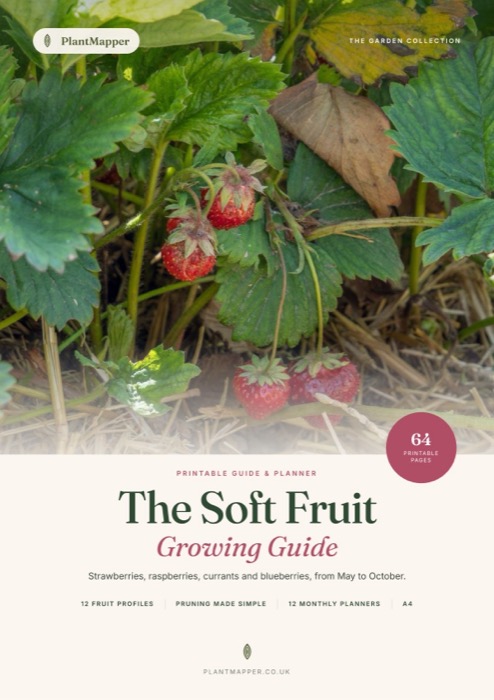
Download the Soft Fruit Growing Guide
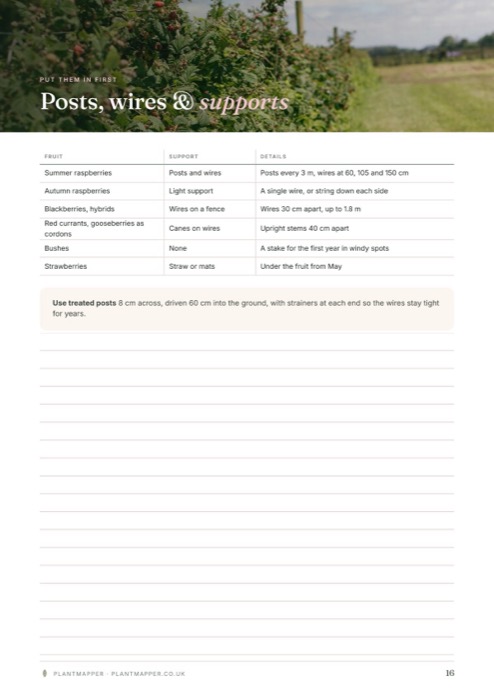
An instant digital download in US Letter and A4 sizes. Print it as often as you like to plan and grow berries at home. Inside: the Soft-Fruit Cycle, a strawberry runner-and-renewal system, netting and protection planners, harvest logs and seasonal trackers, all in the calm PlantMapper style.
Download the Guide on Etsy (UK edition)
 64-page printable workbook · US Letter & A4
Disclosures & disclaimers
Affiliate disclosure
Some links on this page are affiliate links. If you buy through them, PlantMapper may earn a small commission at no extra cost to you. It never affects which products we suggest.
Gardening disclaimer
All advice is general guidance for home gardens in the United States. Results vary with your zone, soil and season, and rules on growing Ribes differ by state and locality. Check with your state department of agriculture or county extension office before you plant.
Food-safety note
Gooseberries are wholesome cooked or, when fully ripe, eaten fresh. Rinse homegrown fruit before eating, and discard any berries that are damaged, moldy or contain larvae.