
Honest starting points
Growing food is simpler than it looks. A good first year comes down to four things: soil that drains and holds moisture, planting at the right time for your frost dates, watering deeply rather than often, and choosing crops that suit your space and your summer - a Maine garden and a Texas garden grow on very different calendars.
I don’t know my zone or frost dates
Enter a ZIP code to find your USDA zone - the starting point for every planting date in these guides.
Find your zoneI want an easy first crop
Herbs in pots or a raised bed: which come back in your zone, and when to plant basil and cilantro.
Read the guideI have never grown anything
Start with the crops that are hard to fail at and quick to reward - and ignore everything else for a year.
Read the guideI want to build beds first
Depth, width, materials and what to fill them with, so the beds work from the first season.
Read the guideI want to know what to do this month
What to sow and plant now, keyed to your zone and frost dates rather than a single national calendar.
Open the calendarI have a greenhouse
What is worth the space, and the ventilation and shading that decide whether it works - especially in a hot summer.
Read the guideI have very little space
Salad greens, herbs and containers - the highest return per square foot on a patio or balcony.
Read the guideI want better soil
Turning yard waste and kitchen scraps into compost - the highest-value habit in growing your own, and it’s free.
Read the guideGrow Your Own guides
Written for ordinary American yards - clay, sand, short seasons and long hot summers included. New US editions are added every month, so check back as the collection grows.
The full collection by numbers
Counted across the complete Grow Your Own collection. US editions are being added month by month, so not every guide is live here yet.
12
guides in the full collection
Beds and soil through to sowing, feeding, pests and harvest.
44k
words of guidance
Written to be read, not skimmed past for an advert.
36
questions answered
The questions a first year actually throws up.
47
photographs
Royalty-free imagery across the section.
- Beginner friendly
- Timing by frost date
- No sign-up
- Container growing covered
The case for growing a few things well
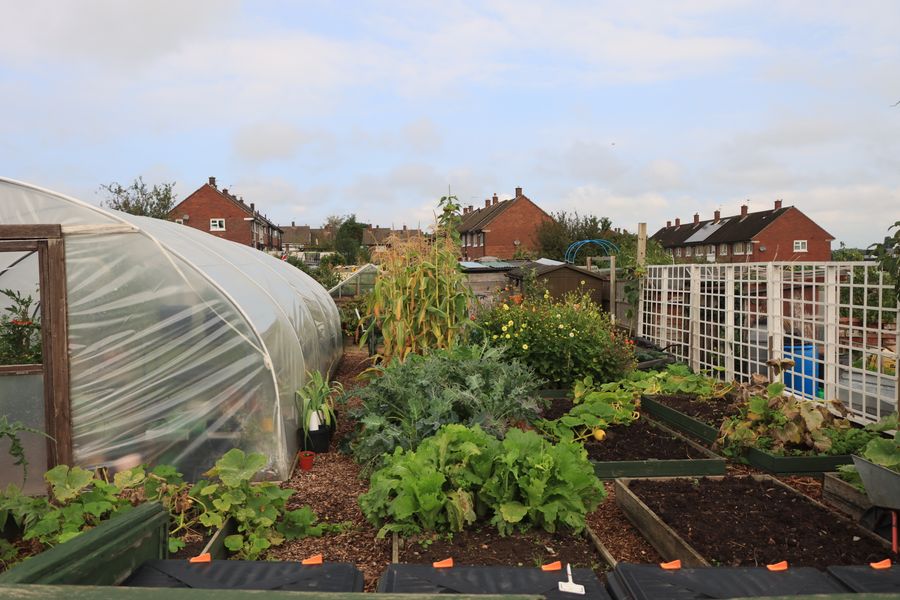
The flavor gap is real, and it is largest in a few crops
Tomatoes, sweet corn, new potatoes, salad greens, peas and herbs lose sugars and aroma fast after picking, so homegrown beats store-bought most with these. Storage onions and big bags of carrots are not where the difference shows.
A little space returns more than people expect
Cut-and-come-again salad greens, herbs and pole beans return far more per square foot than sprawling crops, and they are what grocery stores charge most for.
It makes you a better gardener everywhere else
Vegetables show you the results of soil, watering and timing within a single season, which is the fastest feedback loop in gardening. Composting is where most of that improvement comes from.
Timing beats effort
Most first-year disappointments are planted two weeks too early or too late rather than badly grown - and the right date in Georgia is wrong in Wisconsin. Start with your zone and frost dates, then the vegetable calendar.
You control what goes on it
A garden crop can be grown with barriers, timing and tolerance instead of sprays - see Pest Control and Companion Planting for what genuinely works.
Sow, plant, care, harvest
Five stages, and they repeat. A first year that gets three of them right is a good first year.
-
Step 1
Sort the ground first
A bed that drains, holds moisture and has been fed with organic matter does more for a crop than any variety choice. Raised beds are the fastest route to that on heavy or poor ground.
Raised beds → -
Step 2
Sow at the right moment, not the earliest
Seeding into cold, wet soil is the most common cause of failure. Plant warm-season crops (tomatoes, peppers, squash, beans) after your last frost, or start them indoors in cell trays and set out hardened-off transplants.
Planting calendar by zone → -
Step 3
Water deeply, and less often
About an inch of water a week, given in one or two deep soaks, beats a nightly sprinkle that keeps roots shallow. Water the soil, not the leaves, in the morning - and mulch to get through July heat.
Watering systems → -
Step 4
Protect the vulnerable weeks
Most damage lands on seedlings and young transplants. Row cover, cutworm collars, good timing and a fence against rabbits and deer carry most crops through.
Pest control → -
Step 5
Pick often, and keep sowing
Beans, zucchini and salad greens produce far longer if picked often, and succession planting every few weeks turns one glut into a season of food.
Successional sowing →
Growing your own: common questions
What should I grow in my first year?
Crops that are hard to fail with and quick to reward: lettuce and other salad greens, radishes, bush beans, zucchini, cherry tomatoes, Swiss chard and herbs. Leave cauliflower, celery and anything that needs a long, perfect season for later. Our Beginner Vegetables guide covers the shortlist.
What does my USDA zone mean for growing vegetables?
Your zone describes winter cold, which matters for perennial crops like asparagus, rhubarb and herbs. For annual vegetables, your average last spring and first fall frost dates matter more - they set when warm-season crops can go out and how long your season is. Find both with the growing zone finder.
Do I need raised beds?
Not necessarily, but they help a great deal on heavy clay, rocky or compacted ground, warm up earlier in spring and keep you off the soil. If your ground drains reasonably well, planting straight into it works fine - see Raised Beds for the comparison.
How do I prepare the soil?
Add organic matter every year and stop walking on the growing areas. Spread 2 to 3 inches of compost or well-rotted manure over the surface; worms work it in and steadily build the structure that holds moisture and lets roots through. A soil test from your county Cooperative Extension office tells you whether you need lime or other amendments. Composting makes the organic matter free.
Can I grow vegetables in containers?
Yes, and some crops prefer it. Potatoes in grow bags, tomatoes, salad greens, herbs, peppers and bush beans all do well in pots. The limits are water - containers dry out fast in summer heat - and root depth, so go bigger than seems necessary (at least 5 gallons for a tomato) and expect to water daily in hot weather.
When should I start planting?
It depends on your frost dates, not the calendar. Cool-season crops (peas, lettuce, spinach, radishes) go in a few weeks before your last spring frost; warm-season crops (tomatoes, peppers, squash, beans) go in after it, once the soil has warmed. In zones 8-10 there is also a second main season in fall and winter. The vegetable calendar sets this out by zone.
How do I deal with slugs without chemicals?
Hand-pick them with a flashlight on damp evenings, set beer traps or boards to collect them, water in the morning, and plant out sturdy transplants rather than tiny seedlings. If you need a bait, iron phosphate products are a lower-toxicity choice; metaldehyde baits are poisonous to dogs and wildlife. See Slugs & Snails for more.
How much space do I actually need?
Less than you think, if you choose crops by return per square foot. Two 4-by-8-foot raised beds and a few containers will keep a household in salad, herbs, beans, tomatoes and zucchini through the summer. Space only becomes the limit if you want to grow staples like potatoes, onions and winter squash in quantity.
Start small, start this month
First, look up your zone and frost dates - every planting date follows from them. Then start with something forgiving: a few pots of herbs, or the crops in Beginner Vegetables. If the beds need building first, read Raised Beds, and the vegetable calendar will tell you what can go in now.
