

Why grow your own salad greens?
Salad greens are the ideal first crop: fast, cheap and happy in a small space. Within a month of sowing you can be picking tender lettuce, peppery arugula and baby spinach, and because you harvest a few leaves at a time the same plants keep producing for weeks. Homegrown greens are crisper and last longer than bagged salad that has traveled across the country, and a seed packet costs about the same as one container at the store. The only thing they ask is cool weather, so in most of the country they are a spring and fall crop, and a winter crop across the South.
Ready in weeks
Baby greens are ready to pick three to four weeks after sowing, the quickest harvest in the garden and a great confidence-builder.
Pick again and again
Grown as cut-and-come-again, one sowing gives several harvests. Take the outer leaves and the plant keeps making new ones from the center.
Grows almost anywhere
A container, window box, grow bag or corner of a bed will do. Greens tolerate more shade than most vegetables, which helps in small or tree-shaded yards.
Fresh, cheap and better
Just-picked leaves are crisp and full of flavor, with no wilted leftovers going in the trash. A seed packet costs about the same as one container of store-bought salad.
Salad greens in the Grow Your Own collection
Salad Leaves
The quickest, easiest win of all: fresh leaves to pick within weeks, again and again.
You are hereBeginner Vegetables
Where to start: easy, rewarding crops to grow alongside your greens.
Tomatoes
The summer crop that shares the salad bowl with your fall and spring greens.
Herbs
Fragrant leaves to grow beside your salad greens for extra flavor.
Raised Beds
A rich, easy-to-reach bed makes an ideal home for rows of greens.
Easiest salad greens
These greens rarely fail. They sprout quickly in cool soil, crop within weeks and are happy to be picked again and again.

Leaf lettuce
The salad staple. Loose-leaf types such as 'Black Seeded Simpson', 'Salad Bowl' and 'Red Sails' are quicker and longer-cropping than heading types. For warm areas, choose slow-bolting varieties such as 'Jericho' romaine or 'Muir'.
Arugula
Fast, peppery and nearly foolproof, ready in about three weeks and quick to regrow after cutting. Annual arugula bolts fast in heat; wild (sylvetta) arugula is slower and tougher.
Mesclun mixes
A packet of mesclun or mixed salad greens gives a whole bowl of colors, textures and flavors from one sowing, the easiest route to a varied salad.
Spinach
Baby spinach is sweet raw and quick to crop, and very cold hardy. It bolts as days lengthen, so sow it early in spring and in late summer or fall. For summer, try heat-loving Malabar or New Zealand spinach instead.
Mustard and Asian greens
Mizuna, tatsoi and red mustards add color and a peppery kick, grow fast and handle frost, which makes them excellent for fall and winter salads.
Add a few extras
Mache (corn salad), claytonia (miner's lettuce, a West Coast native) and pea shoots crop in cold weather when little else will. Swiss chard and baby kale add color and keep going into summer.
New to growing greens? Start with a packet of mesclun and a leaf lettuce in a wide container. Scatter the seed thinly, keep it moist and you will be picking your first salad within a month. Sow in spring around your last frost date or in late summer for fall.
Growing salad greens in containers
Greens are perfect for containers. A wide, shallow pot, a window box or a trough on the deck keeps fresh salad close to the kitchen, with no digging, few weeds and easy protection from rabbits.
Shallow is fine
Greens are shallow-rooted, so a container 6-8 inches deep is plenty. Wide and shallow beats narrow and deep for a good crop.
Use potting mix
Fill containers with a good potting mix, which holds moisture and air far better than garden soil does in a pot.
Keep them watered
Containers dry out fast, and stressed greens turn bitter and bolt. Check daily in warm weather and keep the mix evenly moist.
Sow thinly, pick often
Scatter seed thinly, cover with about 1/4 inch of mix and pick as cut-and-come-again. Two or three containers sown a couple of weeks apart give a steady supply.
Sun in spring, shade in heat
Full sun suits cool spring and fall weather. As temperatures climb, move containers into afternoon shade to keep the leaves sweet and slow to bolt.
Indoors works too
A tray of greens or microgreens on a bright windowsill or under a simple grow light keeps you in fresh leaves through the coldest months.
Growing salad greens in raised beds
A raised bed is a great home for greens. The loose, rich soil grows lush leaves, and a couple of short rows sown every few weeks can keep a household in salad through spring and fall.
Rich, moisture-holding soil
Greens grow fastest in fertile soil full of compost, which holds water evenly. Fast growth means tender, mild leaves.
Sow in short rows
Sow thinly in shallow furrows or wide bands. Short rows sown every couple of weeks give a steady supply instead of one big harvest that bolts together.
Don't overcrowd
Thin seedlings so the leaves get light and air. Cut-and-come-again greens can grow closer, but crowded plants stay small and bolt sooner.
Fill the gaps
Quick greens fit between slower crops like tomatoes, peppers and broccoli, and are harvested before the bigger plants need the space.
Use shade as it warms
As spring heats up, sow greens on the shady side of taller crops or under 30-40% shade cloth to keep them cool and sweet for a few weeks longer.
Easy picking
A raised bed puts the leaves at a comfortable height for picking, keeps them cleaner after rain and is easier to fence against rabbits.
Succession sowing
The most useful habit in growing greens is succession sowing: a little, often, instead of a lot at once. It turns a short-lived glut into a steady supply of young leaves for as long as the weather stays cool.

Little and often
Sow a short row or a container every two to three weeks while the weather is cool. Each sowing comes in as the last one tires.
Avoid the glut
One big sowing matures all at once and bolts before you can eat it. Small, regular sowings spread out the harvest.
Match the season
Sow lettuce, spinach and arugula in the cool months, switch to heat-tolerant greens like chard, Malabar spinach and amaranth in midsummer, then back to lettuce and Asian greens for fall.
Keep a few on the go
Always have the next container or row coming on. Sow one, pick one, clear one, and fresh leaves keep arriving without much thought.
Cut-and-come-again harvesting
What makes greens so productive is cut-and-come-again: harvesting the outer leaves and leaving the plant to grow more. Done well, one sowing gives several harvests.
Take the outer leaves
Pick or snip the larger outer leaves and leave the small center leaves to grow. The plant keeps producing from the middle for weeks.
Cut high, not low
When cutting a whole patch with scissors, cut about 1 inch above the soil so the growing point survives. Cut lower and it can't regrow.
Pick young and often
Young leaves are the sweetest and regrow fastest. Regular picking keeps plants productive and slows bolting.
Water after cutting
A good drink after a big harvest helps the plants push out tender new leaves quickly, often giving three or more cuttings.
Know when to resow
After two or three cuts most greens get tough or start to bolt. Pull them, add a little compost and sow again.
Mix it up in the bowl
A few leaves each of lettuce, arugula, mustard and spinach gives a ready-mixed salad straight from the garden.
When to grow salad greens
Lettuce germinates best in soil around 45-75°F and grows best in air temperatures of about 45-75°F. Seed may fail to sprout in soil above about 80°F, and long, hot days trigger bolting. So plant around your frost dates, not by a fixed month.
Spring: around your last frost
Sow lettuce, spinach, arugula and peas 2-4 weeks before your last frost: February in zones 8-9, March to April in zones 6-7 and April to May in zones 3-5. Harvest until the heat arrives.
Summer: heat-tolerant greens
Across the South and lower Midwest, lettuce bolts by early summer. Switch to chard, Malabar spinach, amaranth and slow-bolting lettuce in shade. In zones 3-5 and on cool coasts, lettuce can often keep going all summer with shade and water.
Fall: the best season in many zones
Sow again about 6-8 weeks before your first fall frost, in late summer in the North and in September to October in the South. Cooler nights make the sweetest leaves, and many greens handle light frosts.
Winter: zones 8-10 and under cover
In zones 8-10, fall through spring is prime salad season outdoors. Farther north, a cold frame, low tunnel or unheated greenhouse keeps spinach, mache and Asian greens producing slowly through winter.
Growing salad greens across the US
Greens grow in every state, but the season shifts from summer in the northern mountains to winter in Florida and Arizona. Find your growing zone to time your sowings.
Northeast & Midwest
Two good windows: April to early June and late August to October. Lettuce bolts in July heat in much of the Midwest, so switch to chard and kale in midsummer. Cold frames and row cover stretch fall greens into December in milder areas.
Southeast & Gulf Coast
Greens are a cool-season crop here: sow from September through February or March. Summer heat and humidity make lettuce bolt and rot, so grow Malabar spinach, amaranth or southern greens such as collards in summer instead.
Southwest & California
In the low deserts, greens grow from October to March and struggle in summer. Coastal California can grow lettuce nearly year-round thanks to its mild, foggy summers. Inland, give shade and drip irrigation from late spring.
Pacific Northwest
Cool, mild weather suits greens for much of the year. Sow from March to May and again from August into September, with cloches or cold frames for winter salad. Slugs are the main pest, so trap them early.
Mountain West & Plains
Short springs that turn hot quickly, plus hail, wind and late frosts. Sow early under row cover, use shade cloth when it heats up and plant a fall crop in August. High-altitude gardens often grow lettuce through the cool summer.
Protecting your greens
A little protection stretches the season at both ends and keeps leaves clean and whole. A few simple covers make the difference between a nibbled crop and a perfect one.
Row cover for frost
Floating row cover or a low tunnel adds a few degrees of frost protection, warms the soil for earlier spring sowings and keeps fall greens going weeks longer.
Netting against pests
Lightweight insect netting or row cover keeps off flea beetles, cabbage loopers and imported cabbageworms, which riddle arugula, mustard and Asian greens.
Fence out rabbits and deer
Rabbits, groundhogs and deer love tender greens. A low fence of chicken wire buried a few inches deep stops rabbits; deer need a taller fence or netting over the bed. Slugs are the other big pest: trap them or hand-pick at night.
Shade in hot weather
Shade cloth of 30-40% over late-spring and late-summer sowings keeps the soil cool and moist, helps seeds germinate and delays bolting.
Cold frames and indoors
For winter salads in cold zones, a cold frame, unheated greenhouse or sunny windowsill keeps trays of greens producing slowly through the coldest months.
Keep it tidy
Remove yellowing, slug-damaged and bolting plants promptly. A clean bed has fewer pests and diseases.
Watering and feeding
Greens are mostly water, so steady moisture matters more than anything. Keep them growing quickly and they stay sweet and tender; let them dry out and they turn bitter and bolt.
Never let them dry out
Water regularly, especially containers and late-spring sowings. A dry spell turns leaves bitter and pushes plants into flowering.
Water in the morning
Morning watering lets the leaves dry during the day, which discourages slugs and leaf diseases better than watering at night.
A light feed in containers
Greens in containers benefit from a diluted liquid fertilizer every couple of weeks once the potting mix's own nutrients run low.
Mulch to hold moisture
A thin mulch of straw or shredded leaves around bed-grown greens keeps the soil cool and evenly moist and cuts down on watering.
Common problems
Greens are easy, but a few problems come up again and again, nearly all about heat, water or pests. Here is how to put each one right.
!Bolting
Plants shoot up a flower stalk and turn bitter. Caused by heat and long days. Sow earlier in spring and later in summer, choose slow-bolting varieties, keep the soil moist, give afternoon shade and pick young.
!Slugs, snails and rabbits
Ragged holes, slime trails or whole plants nibbled down. Hand-pick slugs at dusk, use beer traps or iron phosphate bait, and grow in containers or fenced raised beds to keep rabbits out.
!Poor germination
Patchy, sparse seedlings. Usually soil that is too dry, too hot or seed sown too deep. Lettuce seed may not sprout in soil above about 80°F, so in late summer sow in the evening, water well and shade the bed until seedlings appear.
!Bitter leaves
Tough, bitter-tasting leaves. Caused by heat, age and dry soil. Water consistently, pick young, harvest in the cool of the morning and pull plants once they start to bolt.
!Flea beetles and caterpillars
Tiny shot holes, or ragged holes and green caterpillars. Cover arugula, mustard and Asian greens with row cover from sowing, keep plants growing fast and hand-pick cabbage loopers and cabbageworms.
!Leggy seedlings
Pale, stretched, floppy seedlings. Too little light or sown too thickly. Give seedlings the brightest spot, sow thinly and thin early so each has room to grow sturdy.
Harvesting
The best part is a bowl of leaves picked minutes before dinner. Harvest at the right time and in the right way and your salad will be crisper and sweeter than anything from the store.

Pick in the morning
Harvest in the cool of the morning when leaves are crisp and full of water. They taste sweeter and keep far better than leaves picked in the afternoon heat.
Take a little from each
Pick a few outer leaves from several plants instead of stripping one. You get a varied bowl and every plant keeps growing.
Rinse and chill
Rinse leaves in cold water and spin or pat dry. A short time in the refrigerator crisps them nicely, though they are best eaten within a day or two.
Pick before it bolts
Once a plant starts to stretch upward the leaves turn bitter. Harvest while young, then pull and resow as soon as a patch starts to tire.
Salad greens - frequently asked questions
The salad-growing questions American gardeners ask most, answered simply.
When should I plant lettuce and salad greens?
Plant around your frost dates rather than by month. In spring, sow lettuce, spinach and arugula 2-4 weeks before your last frost. For fall, sow again about 6-8 weeks before your first fall frost. In zones 8-10, fall through early spring is the main season, and many greens grow right through the winter.
Why does my lettuce bolt so fast?
Heat and long days trigger bolting, which makes lettuce send up a flower stalk and turn bitter. It is the biggest challenge in Southern and Midwestern summers. Sow earlier in spring, choose slow-bolting varieties such as 'Jericho' or 'Muir', give afternoon shade, keep the soil moist and pick young.
What salad greens can I grow in summer heat?
Swiss chard, Malabar spinach, New Zealand spinach, amaranth and baby kale handle heat far better than lettuce and spinach. Slow-bolting lettuce can also keep going for a while under 30-40% shade cloth with steady watering.
Can I grow salad greens in winter?
Yes. In zones 8-10 you can grow lettuce, spinach, arugula and Asian greens outdoors through most winters, with row cover on frosty nights. In colder zones, spinach, mache, kale and mizuna sown in late summer will keep producing slowly in a cold frame, low tunnel or unheated greenhouse.
How do I grow cut-and-come-again greens?
Sow leaf lettuce, mesclun or arugula fairly thickly in rows or containers. When the leaves are 3-4 inches tall, pick the outer leaves or cut the patch about 1 inch above the soil, then water. The plants regrow for two or three more cuttings before you resow.
How do I keep rabbits and slugs off my lettuce?
A fence of chicken wire about 2 ft tall, with the bottom buried a few inches, keeps rabbits out; containers and raised beds help too. Hand-pick slugs at dusk, set beer traps or use iron phosphate bait, and water in the morning so the leaves are dry by night.
Example salad growing setups
Four ready-made ways to grow greens, whatever your space. Copy one or adapt it to what you have.
Windowsill tray
- A shallow tray or trough in a bright window
- Mesclun mix, sown thinly
- Potting mix, kept moist
- Cut-and-come-again picking
- Resown every couple of weeks
The simplest start of all: fresh greens on the windowsill within a month, with only a tray, a seed packet and a little water.
Deck container collection
- Three or four containers sown a couple of weeks apart
- Lettuce, arugula, spinach & mustard
- Full sun in spring, afternoon shade as it warms
- Watered daily in warm weather
- One sown, one picked, one cleared
A rolling supply from a few containers. Stagger the sowings and you will have a varied salad bowl through spring and fall.
Raised bed rows
- Short rows in a rich raised bed
- Resown every two to three weeks
- Tucked in between slower crops
- Mulched to hold moisture
- Fenced or netted against rabbits & pests
A serious supply from a small space: a couple of short rows sown in succession keep a family in salad through spring and fall.
Winter under cover
- A greenhouse, cold frame or low tunnel
- Cold-hardy greens such as spinach, mache and mizuna
- Sown in late summer for winter picking
- Protected from hard freezes
- Picked slowly through the short days
Fresh salad in the depths of winter, when store prices are highest. In zones 8-10 you can grow the same greens in the open garden.
Explore more with Plant Finder & the Grow Your Own guides
Salad greens fit alongside the rest of your vegetable garden. Use our free Plant Finder to match crops to your conditions, and these guides to grow the rest.
Handy garden calculators
Work out the potting mix, soil and spacing your greens need with our free calculators.
Handy for growing salad greens
Our picksAs an Amazon Associate, PlantMapper may earn from qualifying purchases. Prices and availability are set by Amazon.
The Grow Your Own Starter Kit
Everything on this page is free to use, from the easiest greens to containers, raised beds, succession sowing, cut-and-come-again picking, timing by season and zone and the common problems. The Grow Your Own Starter Kit is an optional next step: a printable workbook to plan and track a season of greens and more, away from the screen. It works hand in hand with our free garden calculators and Plant Finder.
Greens chooser
Worksheets to pick the right greens for your space and the season, from lettuce and arugula to spinach, mustards and cold-hardy winter greens.
Succession sowing planner
A simple chart to schedule small, regular sowings around your frost dates, for a steady supply with no glut and no gap.
Cut-and-come-again guide
Clear, illustrated steps for sowing, thinning and picking, the technique that turns one sowing into weeks of fresh leaves.
Problem-solver
A quick troubleshooting guide to bolting, slugs, poor germination and bitter leaves.
Setup plans
Ready-made plans for windowsill trays, deck containers, raised bed rows and winter growing under cover, with the gear each one needs.
Grower’s journal
Pages to record what you sowed and when, how it did and what to change next year.
Download the Grow Your Own Starter Kit
An instant digital download in A4 and US Letter. Print it at home as often as you like and plan a full year of homegrown food, with planning and crop systems, bed and rotation planners, a sowing and harvest calendar, a crop directory and seasonal trackers in the calm PlantMapper style. Part of the wider PlantMapper Collection.
Download the Starter Kit on Etsy (UK edition)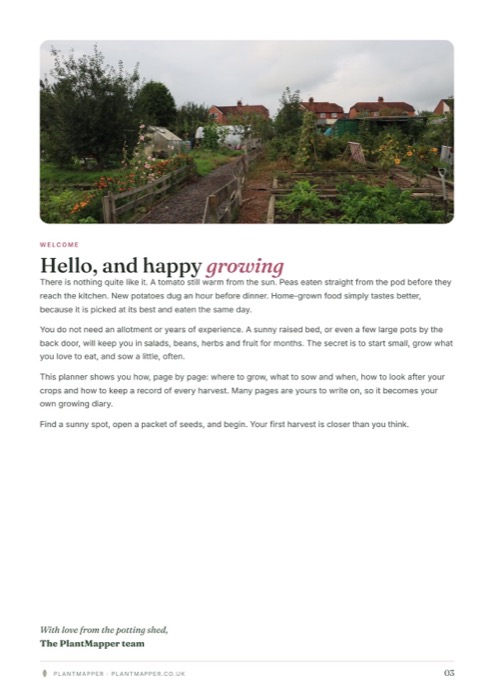
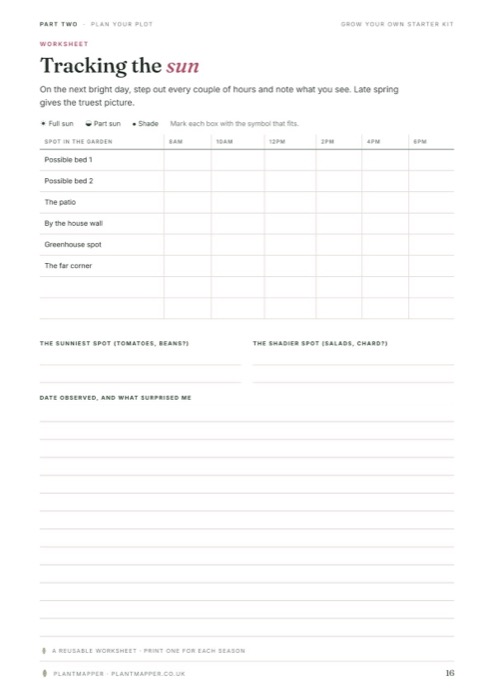
 66-page printable workbook · A4 & US Letter
Disclosures & disclaimers
Affiliate disclosure
Some links on this page are affiliate links. If you buy through them, PlantMapper may earn a small commission at no extra cost to you. It never changes which products we suggest.
Gardening disclaimer
All advice is general guidance for home gardens in the United States. Results vary with your zone, frost dates and the season, so check sowing times for your area.
Food-safety note
Rinse all homegrown greens well before eating, and only eat crops you have grown and can identify with certainty.