
Lettuce & greens
Lactuca sativa
A quick, easy reward: sow every few weeks in spring and fall and pick leaves within a month. Lettuce bolts in summer heat, so grow it in the cooler seasons.
Raised garden beds are the easiest way to start a vegetable garden in an American backyard. Instead of fighting heavy clay, rocky ground or tired lawn soil, you build a frame, fill it with a mix you choose, and plant into loose, rich soil from day one. The beds warm up earlier in spring, drain after summer storms, keep weeds and foot traffic out, and save your back. A single 4 x 8 ft cedar bed is enough to grow a surprising amount of food.
Start with one or two beds, not ten. A well-built, well-filled 4 x 8 ft bed will teach you more and feed you better than a whole yard dug up at once.

A raised bed is a planting area built up above the ground around it, usually framed with lumber, galvanized steel, concrete block or stone and filled with a blend of topsoil and compost. Because you bring in the soil, you decide its quality, drainage and height, which is why raised beds are so popular with first-time vegetable gardeners. They work in a big suburban backyard, a narrow side yard or on top of a patio, and they look tidy enough to suit a front yard where HOA rules allow it.
Bring-your-own soil, better drainage and less bending: a forgiving base for a vegetable garden.
You are hereThe easiest crops to fill your first raised bed with.
Which plants help each other, for fuller, healthier beds.
Make your own compost to fill and feed your beds every year.
Start your own transplants early and stretch the season.
Raised beds solve most of the problems that make vegetable gardening hard in typical American yards. Here is what lifting the soil does for you.
Heavy clay, sand, rocky ground or compacted builder's fill around a new home: none of it matters, because you fill the bed with good soil from the start.
Raised soil drains after heavy rain and summer thunderstorms, so roots don't sit waterlogged and the beds dry out quickly in spring.
Raised soil warms up faster after winter, so you can plant cool-season crops sooner after your last frost and get transplants growing faster.
Loose, rich soil lets you plant closer together, square-foot style, so a small bed can be very productive.
Nobody walks on the soil, so it stays loose and easy to weed, and a clean fill plus mulch keeps weed seeds to a minimum.
Less bending and no tilling, and a waist-high bed removes stooping altogether, which makes gardening easier at any age.
Where you put a raised bed matters as much as how you build it. A little planning now saves years of frustration.
Most vegetables need 6-8 hours of direct sun a day. In the hottest southern and desert regions, a spot with some afternoon shade can help in midsummer.
Set beds on fairly level ground so they fill evenly and water doesn't run off one end. Level the frame with a few shovels of soil before filling.
Beds dry out faster than in-ground gardens, so put them within easy reach of an outdoor faucet or rain barrel. If watering is easy, you will do it.
Shelter from strong wind keeps tall crops standing and soil from drying out, which matters a lot on the Plains. Avoid low frost pockets at the bottom of slopes.
Leave paths of at least 18-24 inches around each bed so you can work from every side without stepping on the soil.
Keep beds away from large trees, whose roots steal water and whose shade holds crops back. Black walnut trees are a special problem: their roots release juglone, which harms tomatoes and many other vegetables.
The best raised bed is one you can reach into comfortably and fill without spending a fortune. A few simple measurements get it right the first time.
Keep beds no more than about 4 ft wide so you can reach the middle from both sides. Against a fence or wall, make them 2-3 ft wide.
Length is up to you, but 8 ft matches standard lumber lengths and is easy to fill. A 4 x 8 ft bed gives 32 sq ft of growing space.
6-12 inches suits most vegetables on open ground; 12-18 inches is better for root crops, poor soil or beds on hard surfaces; 24-30 inches gives waist-high, no-bend gardening.
Over soil, roots grow down into the ground beneath, so 10-12 inches of good fill is plenty. On concrete or a patio, allow at least 12-18 inches.
Allow 18-24 inches between beds, or about 3 ft for a wheelbarrow or wheelchair. Wood chips, gravel or pavers keep paths firm and weed-free.
For gardening without bending, build to 24-30 inches tall. It takes more soil but saves your back every day, especially for older or less mobile gardeners.
Plan your fill before you build. The taller the bed, the more soil it needs. A 4 x 8 ft bed 12 inches deep holds about 32 cubic feet (just over a cubic yard). Our raised bed soil calculator works out how much topsoil and compost you need, so you can order the right amount of bagged mix or bulk soil.
Almost anything that holds soil can be a raised bed, but some materials last much longer and suit food growing better than others. These are the main choices at a home improvement store or lumber yard.

The favorite choice. Western red cedar and redwood resist rot naturally without chemicals and typically last around 10-15 years. Untreated pine or Douglas fir is cheaper but may only last a few seasons.
Modern treated lumber uses copper-based preservatives (ACQ or copper azole) rather than the arsenic-based CCA that was phased out for home use at the end of 2003. Many gardeners use it for beds; if you prefer, line the inside with heavy plastic sheeting or use cedar instead.
Composite and recycled-plastic boards don't rot or need treating. They cost more up front but last for many years with no maintenance.
Metal raised bed kits made from galvanized or coated steel are long lasting, quick to put together and very popular. Rounded corners and a reinforcing bar help them hold their shape.
The most permanent option. Concrete cinder blocks are cheap and fast to stack, and the holes can be planted with herbs; brick and natural stone look great but cost more and take longer to build.
Cedar, metal and composite kits take the building out of it entirely, the quickest way to a tidy bed if you would rather not pick up a saw.
Avoid old railroad ties and CCA-treated wood for food growing: railroad ties are soaked in creosote, and old lumber treated before 2004 may contain arsenic. Choose cedar, redwood, modern treated lumber, steel or block, and line older wood with plastic along the inside if you must use it.
How you fill a bed decides how well it grows. It is simple, and for a deep bed you can save a lot of soil (and money) by filling the bottom with cheaper material.
Over lawn, lay plain cardboard on the grass first to smother it; it rots away within a season. Skip landscape fabric under the bed, so roots and earthworms can move freely. Where gophers or voles are a problem, staple hardware cloth across the base.
In a tall bed, fill the bottom with logs, branches, leaves and cardboard. They save soil, hold moisture and slowly break down to feed the bed (the hugelkultur method).
Fill the top 10-12 inches, where most roots grow, with a quality blend of screened topsoil and compost, firming it gently as you go.
Fill slightly above the top, because the soil settles by an inch or more. Top up with compost each spring to keep the level and fertility up.
Get the soil right and almost everything else falls into place. You want a loose, fertile mix that drains well but still holds moisture.
About half to two-thirds of the mix. Buy screened topsoil in bags or in bulk by the cubic yard from a landscape supply yard; it gives the mix body and holds moisture.
About one-third compost, homemade or bagged. It adds nutrients and organic matter and feeds the soil life. Many cities sell or give away municipal compost in spring.
For hungry crops, mix in some aged or composted manure. Make sure it is well rotted, and don't use fresh manure close to harvest.
Each spring, spread about 2 inches of compost over the top. No digging needed: worms pull it down and the bed stays rich.
The simple recipe: roughly two parts topsoil to one part compost for most vegetables, with some aged manure for hungry crops like squash, corn and cabbage. Bagged "raised bed mix" works too, but blending your own is usually cheaper for big beds. Avoid filling a large bed with straight potting mix, which is light, shrinks and dries out fast. Make your own compost and filling and topping up costs very little.
Raised beds work everywhere from zone 3 to zone 10, but the reasons to build them, and the way you build them, change with the climate. Find your growing zone to plan your planting dates.
Raised beds warm up weeks earlier than heavy clay soils, which helps with short springs. Build beds at least 10-12 inches deep, mulch for winter, and fence against deer, rabbits and groundhogs.
Beds drain after downpours and lift roots above wet clay. Summer heat dries them fast, so mulch thickly and add drip irrigation. Grow cool-season crops through fall and winter, and use cedar or steel, since untreated pine rots quickly in the humidity.
Raised beds let you avoid alkaline, caliche or rocky soil. Drip lines under mulch are essential, and afternoon shade cloth helps in the low desert. Line the base with hardware cloth where gophers are common.
The rainy winters make raised beds especially useful: the soil drains and warms up sooner in spring. Use cedar, a local favorite, watch for slugs, and cover beds with a hoop house to stretch the cool season.
Wind, hail, alkaline soil and short seasons. Taller beds warm faster; add hoops for frost cloth and shade cloth, protect plants from hail, and water deeply because the air is so dry.
Raised beds suit almost any vegetable, but these ten are the most rewarding to start with: quick, productive and forgiving. Browse more crops in the Grow Your Own guides and the Plant Finder.

Lactuca sativa
A quick, easy reward: sow every few weeks in spring and fall and pick leaves within a month. Lettuce bolts in summer heat, so grow it in the cooler seasons.
Solanum lycopersicum
The most popular backyard vegetable in America. Tomatoes love the warm, loose soil of a raised bed: give them sun, a sturdy cage and steady water.
Daucus carota
Loose, stone-free bed soil grows long, straight carrots that would fork in heavy clay. Sow thinly and keep the seedbed moist until they come up.
Beta vulgaris
One of the most foolproof crops: sow direct, thin a little and harvest sweet roots and tasty greens through spring and fall.
Phaseolus vulgaris
Bush beans crop fast in a small space, and pole beans climb a trellis or teepee for a big harvest from a tiny footprint. Sow after your last frost when the soil is warm.
Cucurbita pepo
One or two plants feed a family all summer. Give them room and water, pick young, and watch for squash vine borers and squash bugs.
Brassica oleracea
Tough and productive, kale and collards get sweeter after a frost and keep cropping into winter in mild regions. Watch for cabbage worms.
Raphanus sativus
The fastest crop in the garden, ready in about a month. Sow between slower crops to use every square foot of the bed.
Allium sativum
Plant garlic in fall and onion sets or transplants in early spring. Pick long-day onions in the North and short-day onions in the South.
Basil, parsley, cilantro
A few herbs tucked into the corners and edges of a bed earn their place every day, picked fresh for the kitchen.
Growing the same crop in the same spot every year wears out the soil and lets pests and diseases build up. Crop rotation simply means moving crop families around, and with a few beds it is easy. Split your crops into four groups and move each group one bed along each year.
Peas and beans. They fix nitrogen from the air, leaving the bed richer for the hungry crops that follow.
Cabbage, kale, broccoli and collards. Heavy feeders that benefit from following the legumes.
Carrots, beets and parsnips. They prefer leaner soil, so they follow the brassicas.
Tomatoes, peppers, potatoes and the onion family. Keeping the nightshades moving helps reduce soil diseases like Fusarium wilt.
Keep it simple. It doesn't need to be perfect. Even "don't grow the same thing in the same bed two years running" helps a lot, and a quick note of what grew where is all the record you need.
Some plants simply grow better together, by confusing pests, bringing in helpful insects or sharing space well. You don't have to follow it strictly, but a few classic pairings help.
The classic pairing: basil flowers attract bees, and the two are ready to pick together for the kitchen.
Onions and chives tuck in easily between rows of carrots, making good use of space in a small bed.
Corn, pole beans and squash, the traditional Native American planting: beans climb the corn, squash leaves shade the soil. It needs a bigger bed to work well.
French marigolds, zinnias and native flowers such as purple coneflower and black-eyed Susan bring in pollinators and pest-eating insects.
Nasturtiums draw aphids away from beans and greens, and the flowers and leaves are edible too.
Tuck lettuce and radishes under taller tomatoes and pole beans. They grow in the cool shade in early summer and finish before the big plants need the room.
Raised beds drain freely, which roots love, but it means they dry out faster than in-ground gardens. A little attention to water and food keeps the harvest coming.
Aim for about 1 inch of water a week, more in hot, dry or windy weather. A deep soak every few days grows deeper roots than a daily sprinkle. Water the soil in the morning.
Straw, shredded leaves or untreated grass clippings over the soil lock in moisture, smother weeds and cut watering, especially in hot summers.
Drip lines or a soaker hose on a timer water the beds for you and use far less water than a sprinkler. Drip is often allowed when cities restrict watering, but check your local rules.
Tomatoes, peppers, squash and corn are hungry. A balanced organic fertilizer at planting and a side-dressing or liquid feed once they are fruiting keeps them going.
Beyond that, a yearly layer of compost feeds most crops. Build good soil and you rarely need much fertilizer at all.
Even well-drained beds can stay too wet. Push a finger into the soil before watering; if it is moist an inch or two down, wait.
Most raised bed disappointments come from one of these, and each is easy to avoid.
If you can't reach the middle from the side, you will end up stepping on the soil and compacting it. Keep beds to about 4 ft wide, or 2-3 ft against a fence.
Fill dirt or subsoil grows weak, hungry plants. Spend your money on a good topsoil-and-compost blend for the top 10-12 inches.
Old railroad ties and lumber treated before 2004 can leach chemicals. Use cedar, redwood, modern treated lumber or steel, or line the inside with plastic.
Raised beds dry out fast in summer heat. Mulch and a simple drip system prevent the wilting and bolting that thirst causes.
Most vegetables need full sun. A bed in shade or under a tree will struggle, so pick the brightest, most open spot you have.
Sowing too thickly and never thinning gives lots of weak, competing plants. Follow the spacing on the seed packet and thin firmly.
Four simple plans for different spaces and goals. Use one as it is or as a starting point for your own vegetable garden.

A lot of food from a single 4 x 8 ft bed, and a low-risk way to find out how much one good bed can give.
A small bed of constant pickings right by the kitchen: the hardest-working square feet in the yard.
A classic productive layout: three beds make crop rotation easy and keep a family in vegetables for much of the year.
Comfortable gardening for older or less mobile gardeners, with all the pleasure of homegrown food and none of the strain.
The raised bed year follows your frost dates, not the calendar. Here is the shape of the year at a glance; for crop-by-crop timing, see our vegetable calendar and set your dates with your zone.
Top up beds with compost and plant cool-season crops (peas, lettuce, spinach, onions) 2-6 weeks before your last frost; then warm-season crops (tomatoes, peppers, squash, beans) after it. That is February-March in zones 8-9, March-April in zones 6-7 and April-May in zones 3-5.
Keep up with watering and mulch, harvest often and resow quick crops to fill gaps. In zones 8-10, summer heat is a slow season for lettuce and peas; use shade cloth or plant heat-lovers like okra and southern peas.
Plant fall crops (kale, lettuce, carrots, radishes, broccoli) 8-10 weeks before your first fall frost, plant garlic around a month or so before the ground freezes, and clear spent summer plants. In the South, fall is a main growing season.
In cold zones, mulch empty beds or plant a cover crop to protect the soil. In zones 8-10, keep growing greens, carrots and onions through winter. Order seeds and plan next year's layout.
Keep a simple bed diary. A note of what you planted, where and how it did is the most useful tool a gardener has. It makes next year's planting, spacing and rotation almost automatic.
The raised bed questions American gardeners ask most, answered simply.
Over open ground, 10-12 inches of good soil is plenty for most vegetables, because roots also grow into the ground below. For carrots and other root crops, or for beds on concrete or a patio, aim for 12-18 inches. Waist-high beds of 24-30 inches remove bending altogether.
Use about two parts screened topsoil to one part compost, with some aged manure for hungry crops. In a deep bed you can fill the bottom with logs, branches and leaves to save soil. Lay cardboard over grass first, and skip landscape fabric so roots and worms can move freely.
Western red cedar and redwood are the favorites because they resist rot without chemicals and last many years. Modern pressure-treated lumber (ACQ or copper azole) is also widely used; untreated pine is cheapest but rots in a few seasons. Avoid railroad ties and old CCA-treated wood.
Lumber sold for home use since 2004 no longer uses arsenic-based CCA; it uses copper-based treatments. Many gardeners and Extension services consider it acceptable for raised beds, and you can line the inside with heavy plastic for extra peace of mind, or choose cedar, steel or block instead.
A 4 x 8 ft bed filled 12 inches deep needs about 32 cubic feet of soil, just over 1 cubic yard. Filled 6 inches deep it needs about 16 cubic feet. Use the raised bed soil calculator to work out other sizes.
It depends on your frost dates. Plant cool-season crops like peas, lettuce and onions 2-6 weeks before your last spring frost, and warm-season crops like tomatoes, peppers and squash after it. Plant a fall crop 8-10 weeks before your first fall frost.
Find the right crops for your beds, your climate and your kitchen. These guides are a great place to plan what to grow.
Work out what your beds need (soil, compost, lumber and spacing) with our free calculators, so you buy the right amount the first time.
As an Amazon Associate, PlantMapper may earn from qualifying purchases. Prices and availability are set by Amazon.
Everything on this page is free: siting, sizes, materials, the soil recipe, what to grow and the layouts. If you like planning on paper, the Grow Your Own Starter Kit is an optional printable workbook for planning, building and planting your beds through the year. It pairs with our free garden calculators and Plant Finder.
Plan the size, site, materials and fill of each bed, and estimate cost and soil, before you cut a single board.
Scaled grids for planning each bed and the whole garden, with a key for crops, paths and supports.
Plan what to grow in each bed and rotate it year to year, with a simple companion planting guide built in.
Fill in your own frost dates to plan what to sow, plant and pick, so the beds are never empty and never overwhelming.
Profiles of the most rewarding raised-bed crops: how, when and how much to plant, and what to watch for.
Pages to record what you planted, what you picked and what to change next year.
An instant digital download in US Letter and A4 - print it as often as you like and plan, rotate and forecast a productive vegetable garden. Inside are a raised-bed matrix, crop rotation planners, harvest-forecast and value dashboards, planting calendars and seasonal trackers, all in the calm PlantMapper style. Part of the wider PlantMapper Collection.
Get the Planner on Etsy (UK edition)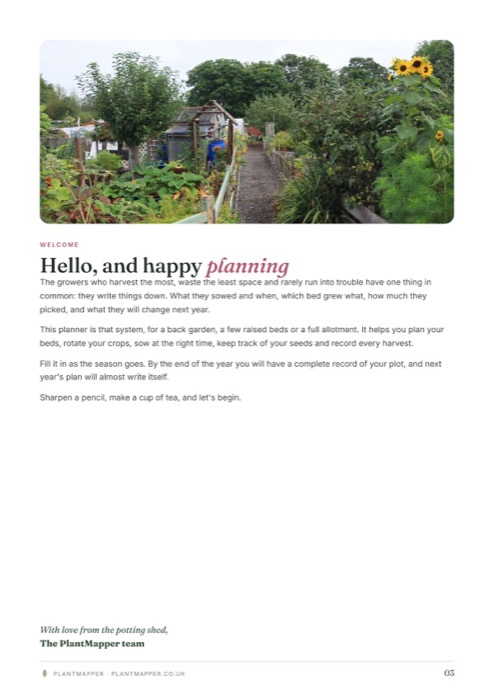
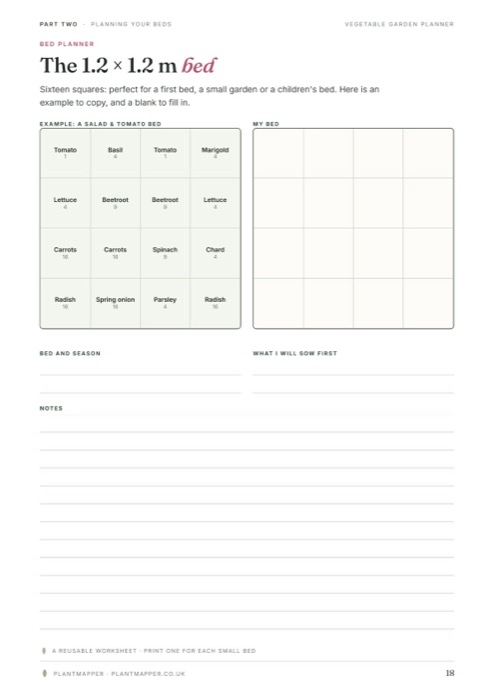
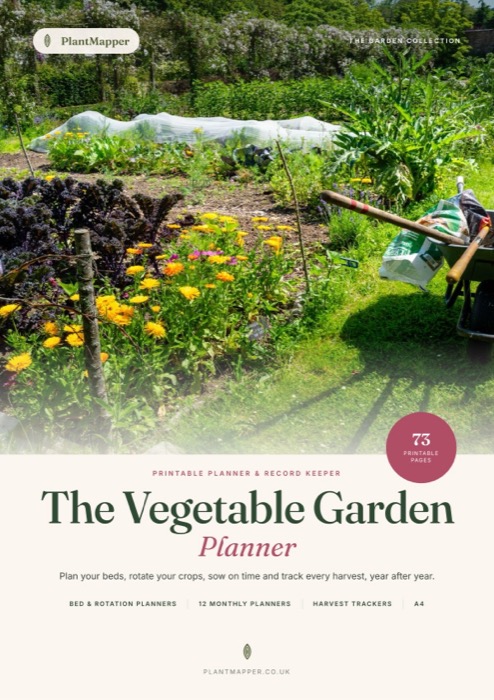 73-page printable workbook · US Letter & A4
An instant digital download in US Letter and A4 - print it at home as often as you like. Inside are planning pages, bed and rotation planners, a sowing and harvest calendar, a crop directory and seasonal trackers, all in the calm PlantMapper style. It is part of the wider PlantMapper Collection.
Get the Starter Kit on Etsy (UK edition)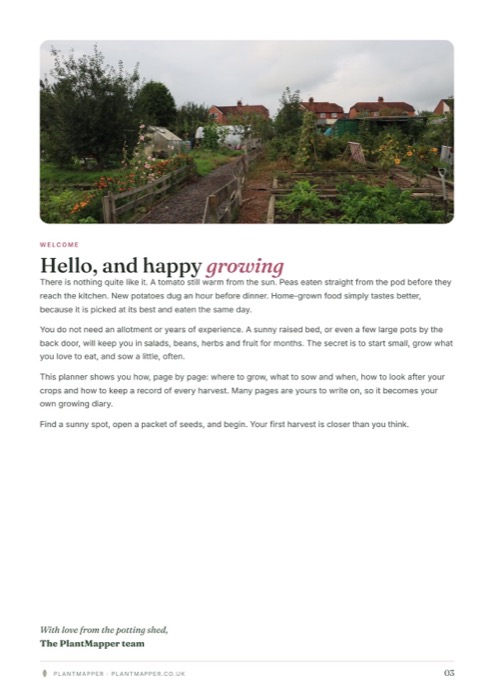
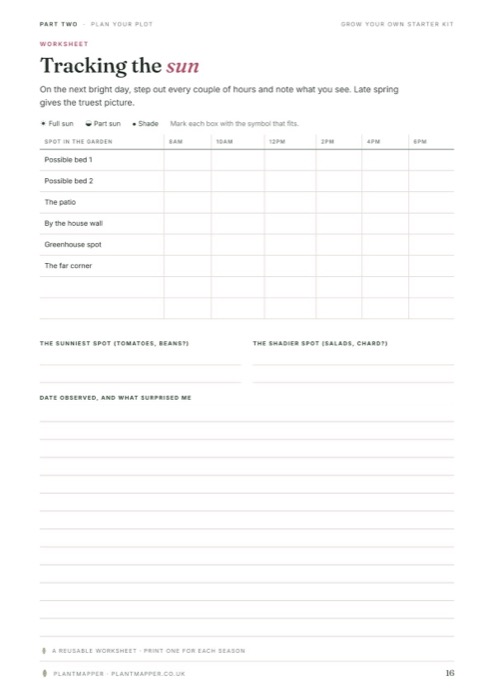
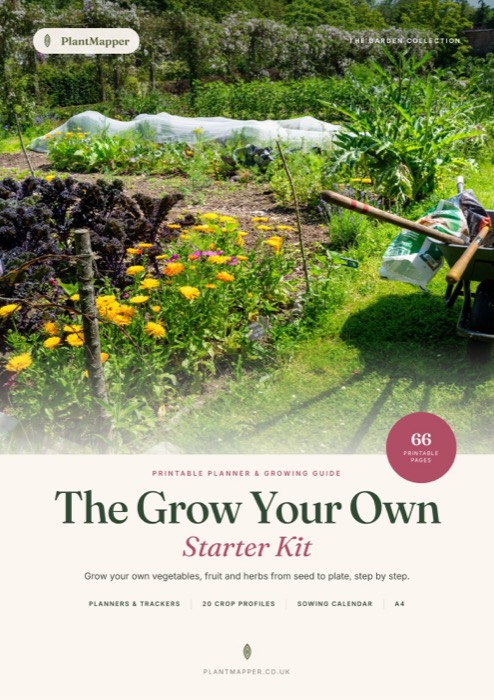 66-page printable workbook · US Letter & A4
Some links on this page are affiliate links. If you buy through them, PlantMapper may earn a small commission at no extra cost to you. It never affects which products we suggest.
All advice is general guidance for US gardens. Climate, soil and frost dates vary a lot by region, so confirm planting times with your county Extension office.
For edible crops, use cedar, redwood, steel, block or modern treated lumber, and avoid railroad ties and old treated wood that may leach chemicals. Wash all homegrown produce before eating.