

Why grow your own potatoes?
Potatoes earn their space. A pound or two of seed potatoes can turn into a bushel basket of tubers, they grow from Maine to California, and a bowl of just-dug new potatoes with butter and dill is one of the best things a vegetable garden can give you. They also let you grow varieties you will rarely see in a store, from buttery fingerlings to purple-fleshed heirlooms. For a first-time vegetable gardener there are few crops that feel more like a real harvest.
Better flavor
Freshly dug potatoes have thin, tender skins and a sweet, creamy flavor that store-bought spuds lose after weeks in a warehouse.
Big returns
One seed piece can produce several pounds of potatoes, so even a small bed or a few grow bags gives a generous crop.
Fits any yard
In-ground rows, raised beds, fabric grow bags or a half whiskey barrel on the patio: with sun and steady water, potatoes will grow.
Great first crop
They are hard to kill, quick to show progress and exciting to dig, which makes them a favorite with kids and new gardeners alike.
Potatoes in the Grow Your Own collection
Potatoes
The classic beginner crop: productive, forgiving and fun to dig in a bed, a row or a bag.
You are hereTomatoes
A garden essential, but plant it away from potatoes because the two share late blight.
Beginner Vegetables
More easy crops to grow alongside your potatoes.
Raised Beds
Loose, deep, well-drained soil in a raised bed is ideal for potatoes.
Greenhouse Growing
Start an early crop of new potatoes in containers under cover.
Choosing potato varieties
American seed catalogs group potatoes by how long they take to mature (early, mid and late season) and by skin and flesh type. Once you know those two things, choosing is easy.
Early season
Ready in roughly 65-80 days as small new potatoes. Plant around your last frost date and dig by early summer, before the worst heat, late blight and beetles build up. Try 'Dark Red Norland', 'Irish Cobbler' or 'Caribe'.
Mid season
Around 80-100 days, giving larger potatoes through midsummer. A dependable all-rounder for beds and grow bags. Try 'Yukon Gold', 'Red Pontiac' or 'Purple Majesty'.
Late season
The slowest, at about 100-130 days, but the heaviest yields and the best keepers for winter storage. They need a long cool season and more space. Try 'Russet Burbank', 'Kennebec' or 'Katahdin'.
Starchy, waxy or all-purpose
Starchy russets bake and mash fluffy; waxy reds and fingerlings hold their shape in potato salad; all-purpose golds such as 'Yukon Gold' do a bit of everything. Grow the kind you like to cook.
Disease resistance
Where late blight shows up in humid summers, look for resistant varieties such as 'Defender' or 'Elba'. For scab-prone soil, russets and 'Norland' types are among the more tolerant choices.
Use certified seed potatoes
Buy certified seed potatoes from a nursery or seed company, not grocery-store potatoes. Certified seed is inspected for disease and is not treated with sprout inhibitors, so it grows healthier and crops better.
First time growing? Start with an early or mid-season variety such as 'Yukon Gold' or 'Dark Red Norland' in a couple of 10-gallon grow bags or a short raised bed row. They are quick, tasty and usually harvested before pests and disease peak, so your first season is a success.
Pre-sprouting (chitting) seed potatoes
Pre-sprouting, also called green sprouting or chitting, means letting seed potatoes grow short, sturdy sprouts before planting. It can bring the harvest forward by a week or two, which matters most where summers get hot early.

Set them eyes up
Lay seed potatoes in an egg carton or a shallow tray with the end that has the most eyes facing up, and leave them be while the sprouts form.
Cool and bright
Keep them in a cool, bright spot (about 50-70°F), such as a garage window or spare room. Light keeps the sprouts short, green and stocky instead of long, pale and fragile.
Two to four weeks
Start them two to four weeks before your planting date. They are ready when the sprouts are about ½-1 inch long and sturdy.
Cutting large seed potatoes
Large seed potatoes can be cut into egg-sized pieces with at least two eyes each. Let the cut pieces cure for a day or two before planting so the cut surface dries and resists rot.
Growing potatoes in raised beds
A raised bed suits potatoes very well: the loose, deep soil warms up fast in spring, drains freely and makes hilling and digging easy, especially if your native soil is heavy clay.
Loose, rich soil
Potatoes like loose, slightly acidic soil (about pH 5.0-6.5). Mix in plenty of compost before planting, but skip fresh manure, which encourages scab.
Give them room
Space seed pieces about 12 inches apart in rows roughly 24-36 inches apart. In a 4-foot-wide bed, two rows down the length works well.
Full sun, good drainage
Choose a spot with at least 6-8 hours of sun. Raised soil warms quickly after your last frost and keeps seed pieces from sitting in cold, wet ground.
Easy hilling
Fill the bed a few inches short of the top at planting so there is room to pull soil and compost up around the stems as they grow.
Rotate every year
Avoid planting potatoes where potatoes, tomatoes, peppers or eggplant grew in the last two to three years. Rotation cuts down on soil diseases and overwintering Colorado potato beetles.
Easy digging
Harvesting from loose bed soil is easy: slide a fork in from the side and the clean potatoes come up with very little damage.
Growing potatoes in containers
Potatoes do well in fabric grow bags, large pots and half barrels, which makes them a great crop for a deck, balcony or small yard. Containers keep the tubers clean, avoid wireworms in old lawn soil, and harvest day is as simple as tipping one out.

Go big
Use a container of at least 10 gallons, such as a fabric grow bag, a large plastic tub or a half whiskey barrel with drainage holes. More soil means steadier moisture and more potatoes.
Start low and add soil
Put about 4-6 inches of potting mix in the bottom, set two or three seed pieces on it and cover with about 4 inches more. Keep adding mix as the stems grow until the container is nearly full.
Water often
Containers dry out quickly, especially in hot, dry summers. Check them every day in warm weather and keep the mix evenly moist, never soggy and never bone dry.
Feed regularly
Potting mix has limited nutrients. Once plants are growing well, feed every two weeks with a balanced liquid vegetable fertilizer.
Sun, but not scorching
Give containers full sun. In hot regions, a spot with some afternoon shade or a light-colored container keeps the soil from overheating, which stops tubers forming.
Tip out to harvest
When it is time, empty the bag onto a tarp and pick out the potatoes. No digging and no forked tubers.
When and how to plant potatoes
Potatoes are planted by your last frost date, not by the calendar. Get the timing, depth and spacing right and they largely look after themselves.
Plant around your last frost
Plant 2-4 weeks before your average last spring frost, once the soil is about 45°F and workable. That is roughly February to March in zones 8-9, March to April in zones 6-7 and late April to May in zones 3-5. In zones 9-10, plant in late winter, or in fall for a winter crop.
About 4 inches deep
Plant seed pieces about 3-4 inches deep, cut side down, sprouts up. That is deep enough to anchor them but shallow enough for the shoots to emerge quickly.
Spacing
Allow about 10-12 inches between plants and 24-36 inches between rows. Crowded plants give lots of small potatoes.
Trench or hole
Dig a trench about 6 inches deep, set the seed pieces in, and cover with 3-4 inches of soil. Fill the rest of the trench in as the shoots come up.
Protect from late frost
If a late frost is forecast after the shoots are up, cover them with a few inches of soil, straw or a frost cloth overnight. Frosted tops usually regrow, but it costs you time.
Don't plant into cold mud
Seed potatoes rot in cold, waterlogged ground. If the soil is still soggy, wait a week or two; a slightly later planting soon catches up.
Growing potatoes across the US
Potatoes grow in every state, but planting time swings from January in the Deep South to June in the northern Rockies. Here is how timing and problems change by region. Find your growing zone to fine-tune your dates.
Northeast & Midwest
Plant from mid-April to May once the soil is workable. The cool summers suit late-season storage potatoes such as russets and 'Kennebec'. Watch for Colorado potato beetles from June and for late blight in wet, humid spells.
Southeast & Gulf Coast
Potatoes are a cool-season crop here: plant from January to March (or in fall in Florida and the Gulf) and dig by early summer, before soil temperatures climb into the 80s°F. Choose early varieties and mulch heavily to keep the soil cool.
Southwest & California
Plant in late winter in the low deserts and coastal California, and in spring at higher elevations. Alkaline soils and water make scab more likely, so add compost, avoid lime and keep the soil evenly moist with drip irrigation.
Pacific Northwest
Mild springs and cool summers are ideal. Plant from March to May once the soil drains, and use raised beds if your ground stays wet. Wireworms and late blight in damp years are the main problems to watch for.
Mountain West & Plains
Short seasons and late frosts mean planting from late April to early June. Choose early and mid-season varieties, keep frost cloth handy for cold nights, and water deeply in dry, windy weather.
Zones 9-10
With little or no frost, grow potatoes through the cool months. Plant in fall or late winter and harvest before summer heat. Use an early variety and give plants a little afternoon shade in hot spells.
Watering and feeding
Steady moisture and modest feeding are the difference between a few small potatoes and a heavy, even crop.
Water while tubers form
The most important time is from flowering onward, when the tubers are sizing up. Give about 1-2 inches of water a week, including rain, more in hot, windy weather.
Keep it steady
Even moisture gives smooth potatoes. Dry spells followed by a heavy soak cause cracking, knobs and hollow centers. A soaker hose or drip line under mulch makes this easy.
Feed for a better crop
Work a balanced vegetable fertilizer (such as 10-10-10) or compost into the soil at planting, then side-dress lightly when you hill the plants.
Go easy on nitrogen
Too much nitrogen gives big, leafy tops and few potatoes. Once the plants are growing well, let them put their energy into the tubers.
Hilling potatoes
Hilling (gardeners in some places call it earthing up) means pulling soil, compost or straw up around the stems as the plants grow. It takes a few minutes and makes a real difference.
More potatoes
Tubers form along the buried part of the stem, so hilling gives each plant more room to make potatoes.
No green potatoes
Potatoes exposed to sunlight turn green and build up solanine, which is bitter and toxic. A good layer of soil or straw keeps them in the dark.
Start at about 8 inches
When the plants are about 6-8 inches tall, draw soil up around them so only the top few leaves show. Repeat every two to three weeks until the plants start to flower.
Straw works too
In grow bags, add more potting mix as the plants grow. In beds, a thick layer of clean straw also works as a hill and keeps the soil cooler in hot summers.
Harvesting potatoes
Digging potatoes is the fun part. Lift them at the right time and handle them gently for the best eating and storing.

New potatoes at flowering
New potatoes are ready from about two to three weeks after the plants flower. Gently feel around the edge of a plant, take a few, and leave the rest to keep growing.
Storage potatoes when tops die
For potatoes to store, wait until the tops yellow and die back, then leave them in the ground about two weeks more so the skins toughen up before you dig.
Dig with care
Start digging well out from the stem and lift with a spading fork to avoid spearing potatoes. In containers, simply tip them out onto a tarp.
Beat the heat
In hot regions, harvest before soil temperatures climb into the 80s°F, which stops tubers growing. In the North, dig late-season potatoes before the ground freezes.
Storing potatoes
Late-season potatoes can keep for months if you cure them and keep them cool, dark and humid.
Cure first
Brush off loose soil (don't wash) and cure the potatoes for about two weeks in a dark place at around 50-60°F with good humidity. Curing heals small cuts and toughens the skins.
Sort carefully
Store only sound, unbruised potatoes. Eat damaged ones first and throw out any that are soft or diseased, as rot spreads quickly in storage.
Breathable containers
Use paper bags, burlap sacks, cardboard boxes or slatted crates, never sealed plastic, which traps moisture and causes rot.
Cool, dark and frost-free
Keep them at about 40-45°F in the dark, such as a cool basement, root cellar or insulated garage. Don't store them next to apples or onions, and keep them out of the refrigerator, which turns the starches sweet.
Common potato problems in US gardens
Most potato problems have a clear cause and a simple fix. These are the ones American gardeners run into most.
!Colorado potato beetle
Striped yellow-and-black beetles and their plump reddish larvae stripping the leaves. The biggest potato pest in much of the US. Check plants daily and hand-pick adults, larvae and the orange egg clusters under the leaves into soapy water. Rotate beds, use floating row cover early on, and try spinosad if numbers get out of hand.
!Early and late blight
Early blight: brown target-ring spots on older leaves. Late blight: fast-spreading dark, greasy patches in cool, wet weather. Space plants for airflow, water at soil level and mulch. Remove early blight leaves as they appear. Late blight is serious: bag up and trash infected plants (don't compost them), and contact your county Extension office if it appears.
!Scab
Rough, corky patches on the skin. Mostly cosmetic; peel and eat. It is worse in alkaline or dry soil, so don't add lime or wood ash, keep soil moist while tubers form, and choose scab-tolerant varieties.
!Small harvest
Lots of leaves but few, small potatoes. Usually too little water while tubers were forming, too much nitrogen, overcrowding or soil that got too hot. Water well from flowering, hill up, space properly and mulch in hot areas.
!Green potatoes
Green patches where light reached them. Green parts contain solanine and should not be eaten. Cut away small green spots, discard very green potatoes, and keep plants well hilled and stored potatoes in the dark.
!Wireworms, flea beetles and cracks
Narrow tunnels in tubers, tiny shot holes in leaves, or split and hollow potatoes. Wireworms are worst in soil that was recently lawn, so use containers or wait a year. Row cover deters flea beetles. Cracks and hollow centers come from uneven watering, so keep moisture steady.
Potatoes - frequently asked questions
The potato questions American gardeners ask most, answered simply.
When should I plant potatoes?
Plant seed potatoes 2-4 weeks before your average last spring frost, once the soil has warmed to about 45°F and is dry enough to work. That is roughly February to March in zones 8-9, March to April in zones 6-7 and late April to May in zones 3-5. In zones 9-10 you can also plant in fall for a winter crop.
Can I plant potatoes from the grocery store?
It is better not to. Grocery-store potatoes are often treated with a sprout inhibitor and are not inspected for disease. Certified seed potatoes are checked for viruses and other diseases, sprout reliably and give healthier, heavier crops.
Do I need to pre-sprout (chit) seed potatoes?
No, but it helps. Setting seed potatoes in a cool, bright place for two to four weeks before planting gives short, sturdy sprouts and can bring the harvest forward by a week or two, which is useful where summers get hot early.
Can I grow potatoes in containers or grow bags?
Yes. Use a container of at least 10 gallons with drainage holes, plant two or three seed pieces on a few inches of potting mix and keep adding mix as the stems grow. Water often, feed every couple of weeks and tip the container out to harvest.
How do I get rid of Colorado potato beetles?
Check plants every day from emergence and hand-pick adults, larvae and the orange egg clusters on the undersides of leaves into soapy water. Rotate where you grow potatoes, cover young plants with floating row cover and, if needed, use an organic spray such as spinosad, following the label.
How deep do you plant potatoes?
Plant seed pieces about 3-4 inches deep, about 10-12 inches apart, in rows 24-36 inches apart. Then hill soil up around the stems as they grow so the tubers stay covered.
Example potato growing setups
Four simple ways to grow potatoes, whatever size your yard is. Copy one as it is or adapt it to your space.
Deck grow bags
- Two or three 10-gallon grow bags
- Early or mid-season varieties, pre-sprouted
- Bagged potting mix, added as the stems grow
- Watered often, fed every two weeks
- Tipped out onto a tarp in early summer
The easiest start of all: a couple of bags by the back door give clean new potatoes with no digging and very little that can go wrong.
Raised bed new potatoes
- A sunny raised bed, mixed with compost
- Early varieties 12 in apart, in two rows
- Hilled every few weeks
- Watered well once flowering starts
- Dug early, ahead of heat and blight
Fast and dependable: an early crop that is out of the ground before summer heat and pest pressure peak.
The storage row
- A sunny row in loose, deep soil
- Late-season russets 12 in apart
- Hilled into tall ridges
- Checked daily for Colorado potato beetles
- Cured & stored in a cool basement
For the biggest harvest: a long row of late-season potatoes to keep you supplied through fall and winter.
Southern winter crop
- Large containers or a bed in full sun, or in a cool greenhouse
- Early varieties planted in fall or late winter
- Covered on frosty nights and kept evenly moist
- Harvested before hot weather
- New potatoes when the North is still planting
In warm-winter areas the cool season is potato season: plant in late winter (or fall) and dig before summer heat arrives.
Explore more with Plant Finder & the Grow Your Own guides
Potatoes are just one part of a productive garden. Use our free Plant Finder to match crops to your conditions, and these guides for the rest.
Handy garden calculators
Work out how much potting mix, soil and space your potatoes need, so you buy the right amount and give every plant room to grow.
Handy for growing potatoes
Our picksAs an Amazon Associate, PlantMapper may earn from qualifying purchases. Prices and availability are set by Amazon.
The Grow Your Own Starter Kit
Everything on this page is free: variety choice, pre-sprouting, planting by frost date, hilling, watering, harvesting, storing and fixing problems. If you like planning on paper, the Grow Your Own Starter Kit is an optional printable workbook for mapping out a whole season of potatoes and other crops. It pairs with our free garden calculators and Plant Finder.
Variety chooser
Worksheets to choose early, mid or late-season potatoes, starchy or waxy, for a bed or a bag.
Planting planner
Fill in your own frost dates to plan when to pre-sprout, plant, hill and dig, so nothing gets missed.
Planting & hilling guide
Simple illustrated steps for cutting seed, planting, spacing and hilling.
Problem-solver
A quick troubleshooting guide for beetles, blight, scab and small harvests.
Setup plans
Plans for grow bags, raised bed new potatoes, a storage row and a warm-climate winter crop.
Grower's journal
Pages to record what you grew, how it did and what to change next year.
Download the Grow Your Own Starter Kit
An instant digital download in US Letter and A4 - print it at home as often as you like. Inside are planning pages, bed and rotation planners, a sowing and harvest calendar, a crop directory and seasonal trackers, all in the calm PlantMapper style. It is part of the wider PlantMapper Collection.
Get the Starter Kit on Etsy (UK edition)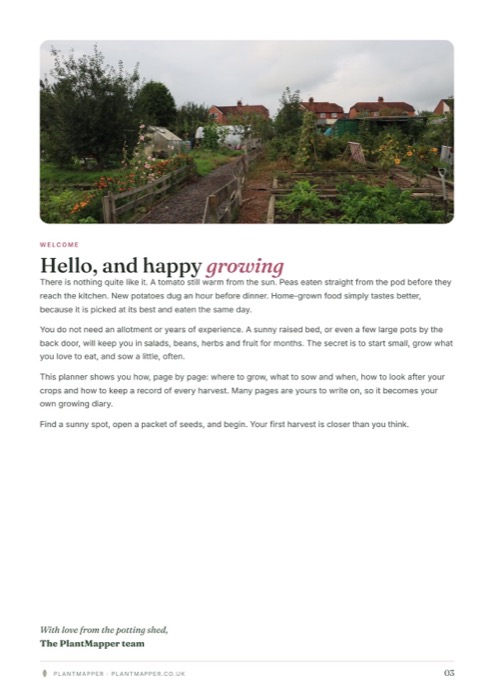
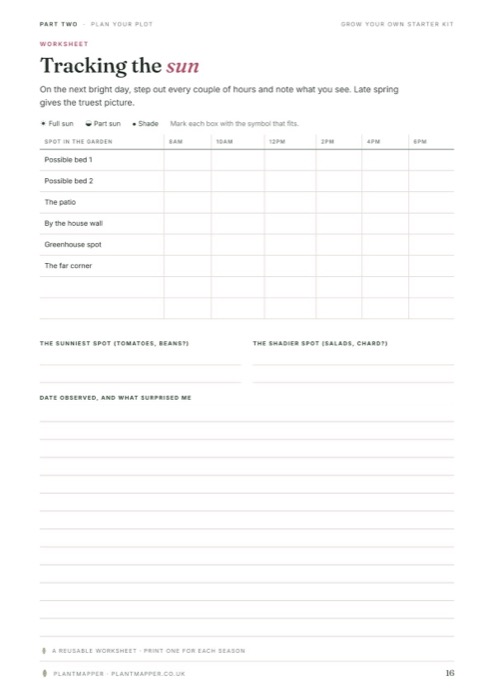
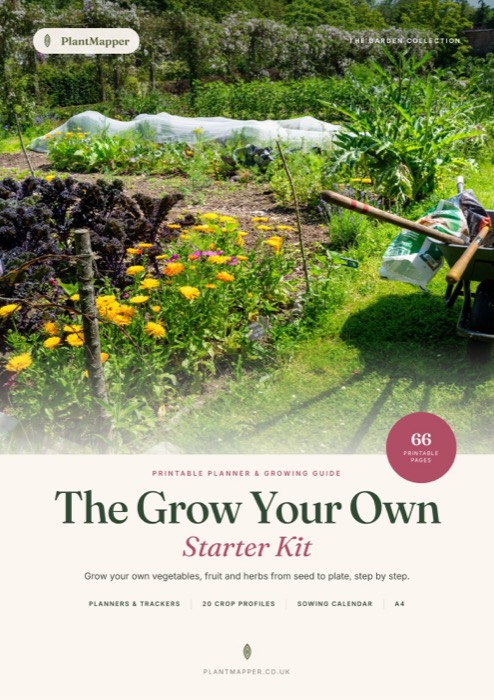 66-page printable workbook · US Letter & A4
Disclosures & disclaimers
Affiliate disclosure
Some links on this page are affiliate links. If you buy through them, PlantMapper may earn a small commission at no extra cost to you. It never affects which products we suggest.
Gardening disclaimer
All advice is general guidance for US gardens. Frost dates, soil and pests vary a lot by region, so check timing with your county Extension office.
Food-safety note
Green potatoes and potato leaves, stems, sprouts and the small green fruits contain solanine and must not be eaten. Store potatoes in the dark and eat only firm, unblemished tubers.