

Almost every chicken lost to a predator was lost through a gap someone knew about
To almost every meat-eater in North America, a backyard flock looks like an easy meal: slow, noisy, smelly and helpfully shut in one box every night. Raccoons in the suburbs, coyotes on the edge of town, hawks over the cul-de-sac, a neighbor’s dog that slipped its collar. Most keepers get a year or two of peace before something finds them, and then they often lose the whole flock in one night.
The animal is rarely the real cause. The real cause is the roll of chicken wire that was never meant to stop anything, the pop door left open one evening, a hook-and-eye a raccoon worked loose in the dark, or a run with good walls and nothing under them. Predators don’t beat good security; they find the one weak spot and keep using it until you close it.
So this guide goes in the order that saves birds: identify what is hunting you and read the evidence, then harden the coop, the run, the ground, the roof and the doors - and finally the habits, because the best run in the county does nothing if nobody shuts the door. Your region changes the list, from bears in Montana to rat snakes in Georgia, so there is a region-by-region guide too.
Eight warnings worth acting on today
These are the situations that cost keepers whole flocks. If any of them describes your setup, it is worth an hour this afternoon rather than a rebuild after a loss.
The eight that matter most
A predator only has to be right once. Everything below has killed somebody's flock.
!Fox attacks
Foxes hunt in daylight as well as at night, will kill an entire flock in a single visit through surplus killing, and can clear or climb a 6 ft fence. Never assume daytime free-ranging is safe, and never rely on height alone.
!Digging predators
Foxes, coyotes, dogs and skunks go under fences, not over them. A run with a strong fence and bare earth underneath is not secure. You need a buried L or a pegged mesh apron, all the way round, with no gaps at gates.
!Chicken wire is not fox-proof
Hexagonal netting keeps chickens in. A fox bites through it, a dog pushes through it and a raccoon reaches through it. Anywhere a predator can touch needs ½-inch hardware cloth, screwed and washered.
!Birds of prey
Red-tailed hawks, Cooper’s hawks and great horned owls take backyard birds all over the US. Bantams and young birds are most at risk, and owls hunt at dusk. Cover the run - hawks and owls are federally protected under the Migratory Bird Treaty Act.
!Loose dogs
In many areas dogs kill more backyard chickens than wildlife does, usually in daylight while nobody is home. A dog cannot be deterred, only excluded. Never leave birds ranging unattended where a dog can get in - including your own.
!Raccoons can open latches
The most persistent coop raider in the US has hands and patience. Hook-and-eye catches, sliding bolts and turn buttons are all defeated. Every door needs a latch requiring two separate actions - a bolt plus a carabiner or padlock.
!Snakes
Rat snakes and others take eggs and chicks and can kill young birds. Use ½-inch or smaller mesh (¼-inch for small snakes) on every opening, seal ground-level gaps and control rodents, which are what draw snakes in. Never handle a snake you cannot identify.
!Night-time security
Most losses happen in the hour around dusk and overnight. The pop-hole must be shut before dark every night, no exceptions, and the birds counted in. If you cannot be there, fit an automatic door - and test it weekly.
!Emergency response
After an attack: secure the survivors, check every bird for hidden puncture wounds and get injured birds to a vet, then find and fix the breach before dark. A predator that succeeded will return, usually the next night.
Everything on this page is general guidance for keepers. Injured birds need a qualified poultry or avian vet - predator bites cause deep puncture wounds that become infected quickly and often look trivial from the outside. Wildlife law differs by state and county: hawks and owls are federally protected under the Migratory Bird Treaty Act, and trapping, relocating or killing many other species is restricted or needs a permit. Nothing here should be read as advice to harm, trap or relocate any animal. Check the current rules where you live, and take advice from your state wildlife agency, USDA Wildlife Services or a licensed wildlife control operator.
The four you are most likely to meet
Between them, canids, raptors, raccoons and rodents account for the overwhelming majority of backyard losses across the US. Each one gets in a different way, so each one needs a different part of the fix.


Why predator protection is essential
It is tempting to treat security as something to improve gradually. Predation does not work that way. Most keepers do not lose one bird and learn a lesson - they lose everything in a single night, because a fox in an enclosed space keeps killing while things keep moving, and a raccoon that gets into a coop at 2am has hours of undisturbed time.
There is a second reason, less often discussed. Predator pressure is not static: it rises in spring when foxes and coyotes have young to feed, again in fall when young animals disperse and look for territory, and again in winter when natural prey is scarce and the nights are long. A setup that has been fine for two summers can be tested seriously for the first time in its third winter.
Losses are usually total
The core riskSurplus killing means one breach can end a flock. Keepers who have lost birds rarely describe losing one.
WhyPanicked movement in a confined space keeps triggering the predator's kill response, so it continues until nothing moves.
SoSecurity has to be right everywhere, not mostly right. There is no partial credit.
They come back
Same weekA predator that has found food will return night after night until either the food or the route in disappears.
WhySuccessful foraging is learned and repeated. Foxes and raccoons in particular will patrol a productive site for weeks.
SoFixing a breach the same day matters far more than fixing it well next weekend.
Pressure is seasonal
Spring & winterSpring cubs, fall dispersal and winter scarcity each raise the risk sharply.
WhyA fox or coyote feeding pups takes daytime risks she would not take in October, and a hungry predator in January tries harder at every fence.
SoRe-walk your perimeter before spring and before winter. See Winter Care for the cold-season view.
Injuries are worse than they look
Vet jobA bird that survives an attack often has deep punctures hidden under intact-looking feathers.
WhyPredator teeth and claws drive bacteria deep into tissue; the surface closes over and the infection develops underneath.
SoEvery survivor gets examined properly, and any wound means a vet and isolation. See Chicken Health.
It is cheaper than replacing birds
PracticalHardware cloth, a few bolts and a mesh apron cost a fraction of a flock - and last for years.
WhyAlmost all the expensive parts of security are one-off: mesh, skirts, latches and a door. Habits cost nothing at all.
SoDo the permanent work once, properly, rather than patching after each incident.
It is a welfare issue too
Often missedBirds that are repeatedly frightened at night stop laying, stop eating well and start feather-pecking.
WhyA predator does not have to get in to do damage - a fox circling the run nightly keeps a flock in a state of stress.
SoA sudden unexplained drop in laying is sometimes a security problem, not a health one.

Daytime predators
Daytime attacks catch keepers out precisely because so many people believe they cannot happen. They can, they do, and they usually happen to free-ranging birds between mid-morning and mid-afternoon when nobody is home.
Foxes
Daylight is not safe
Urban and suburban foxes are habituated to people and hunt whenever the opportunity looks worthwhile.
- Peak risk spring, when a vixen is feeding cubs and takes far more risk.
- Behavior quiet approach, then a rush; often several birds killed.
- Do not assume being at home protects a flock at the back of the yard.
Birds of prey
Overhead, midday
Red-tailed, Cooper’s and sharp-shinned hawks; bald eagles near water in some areas.
- Most at risk bantams, young growers and small light breeds.
- Sign a plucked circle of feathers on open ground, carcass eaten in place.
- Federally protected - exclusion and cover only, never harm.
Dogs
The most preventable
Loose dogs, visiting dogs and your own dog. Often kills without eating, and takes several birds.
- Sign scattered feathers over a wide area, birds killed and left, chaotic scene.
- Fix physical exclusion only - a dog cannot be deterred.
- Report a dog attack to animal control; in many places the owner is liable for the loss.
Cats
Chicks only, mostly
Adult hens are usually safe and will often see off a cat. Chicks and bantams are not.
- At risk anything under about eight weeks, and small bantam breeds.
- Fix fully meshed brooder and grower runs, roof included.
- Watch for a cat that has learned where the chicks are - it will return.
Corvids
Eggs and chicks
Crows, ravens, blue jays and (in the West) magpies take eggs and small chicks, and will work a nest box.
- Sign broken shells, eggs disappearing during the day, chicks missing one at a time.
- Fix covered runs, prompt egg collection, and no feed left in the open.
- Protected under the Migratory Bird Treaty Act. Exclude, do not control.
Coyotes
Dawn, dusk and midday
Increasingly suburban, active at all hours, and quite capable of taking birds in daylight.
- Behavior takes birds away rather than leaving them; often little evidence.
- Fix a fully enclosed run, or electrified netting for larger ranged areas.
- Note a coyote will dig, climb and test a fence line methodically.

Night-time predators
Night is when a predator has hours of undisturbed time and your birds are gathered in one dark box, unable to see and unwilling to move. It is also when almost all serious losses happen. A chicken at night is essentially helpless - the coop has to do the whole job.
The critical window is the hour either side of dusk. Birds go up to roost as the light fades, and predators become active at exactly the same moment. Whatever else you do, the pop-hole needs to shut in that window every single night.
Canids after dark
- Route in under the fence line, through weak netting, or through a door left open.
- Method digging, biting through wire, or squeezing a gap you did not know existed.
- Damage multiple birds killed, often the whole flock; carcasses removed or scattered.
- Stops it mesh, an anti-dig apron, a closed pop-hole and a solid coop.
A fox will spend weeks patiently testing a run before finding the one panel that flexes.
Mustelids
- Route in gaps you would swear nothing could pass through - 1 in is enough for a weasel.
- Method squeezes through mesh, ventilation gaps and the space around a pop-hole.
- Damage multiple birds killed, often bitten at the head or neck and left.
- Stops it ½ in mesh on every opening including vents, and no gap anywhere over ¾ in.
Mink are a serious problem near water; fishers and martens matter in New England, the Great Lakes and the Northwest.
Climbers & openers
- Route in over the top, through the roof, or by simply opening the door.
- Method raccoons manipulate latches and reach through mesh; opossums and rats exploit gaps.
- Damage birds killed at the mesh line, heads or crops damaged, eggs and chicks gone.
- Stops it two-action latches, a covered top, and ½ in mesh rather than 1 in.
Raccoons live in all of the lower 48 states, so build every latch to the two-movement standard.
Owls & night raptors
- Route in straight down into an uncovered run, or onto birds roosting outside.
- Method silent approach; great horned owls in North America take full-sized hens.
- Damage a single bird, often with the head removed and the body left.
- Stops it a covered run and getting every bird inside before dark.
Owls are federally protected. Cover and exclusion only - never harm or disturb.
Night-time security advice box
The rule: every bird inside, pop-hole shut and latched, before the light goes - 365 nights a year. Everything else on this page is a backup for the night you forget.
Count them in. A hen who has decided to roost in a bush or on the run roof is not protected by a closed door, and she will be found. Counting takes ten seconds and is the single highest-value habit in chicken keeping.
Winter shifts the window. In December dusk arrives in the middle of the working afternoon. This is exactly the season when an automatic door earns its money - but test it by hand weekly, because cold and bedding jam mechanisms.
Do not rely on noise or light alone. Predators habituate fast. Sensors and lights make good early warning and poor barriers.

Chicken predators across the US
Raccoons, dogs and hawks turn up almost everywhere. Beyond that, the list changes with the region, the habitat and how close you are to woods, water or open range. Use this table to decide what to build against first - and find your growing zone to match the winter and summer advice elsewhere on the site.
Before you build, check your city or county ordinances and any HOA rules: many limit flock size, ban roosters, or set how far a coop must sit from property lines.
| Region | Main predators | How they get in | Biggest risk | Build priority |
|---|---|---|---|---|
| Northeast & Mid-Atlantic | Raccoons, red foxes, hawks, great horned owls, fishers, weasels; black bears in rural areas | Latches, reach-through mesh, uncovered runs, gaps under ½ in | Whole flock Raccoon and fox break-ins at night | Two-step latches, ½-inch hardware cloth, covered run, fishers and weasels kept out of vents |
| Southeast & Gulf Coast | Raccoons, opossums, rat snakes, gray foxes, coyotes, hawks, dogs | Climbing, small gaps at ground level, open nest boxes | Eggs & chicks Snakes and opossums; raccoons year-round | Mesh on every opening including vents, sealed base, rodent control, prompt egg collection |
| Midwest & Great Lakes | Raccoons, coyotes, red foxes, mink and weasels near water, skunks, owls | Digging, squeezing through gaps, owls into open runs at dusk | Multiple birds Mink and weasels kill many at once | Buried apron, ½-inch hardware cloth on vents, birds in before dusk |
| Great Plains | Coyotes, skunks, raccoons, red-tailed hawks, great horned owls, badgers | Digging and fence-line testing; aerial attacks on open ground | Whole flock Coyotes in daylight on open range | Enclosed, roofed run; electric poultry netting for ranged birds; deep apron |
| Texas & the Southwest | Coyotes, bobcats, raccoons, skunks, snakes (incl. rattlesnakes), hawks | Climbing and jumping, digging, snakes through gaps | Several birds Bobcats and coyotes; snakes after eggs | Strong framed, fully roofed run; ½-inch mesh; clear brush around the coop |
| Mountain West | Coyotes, black bears, foxes, raccoons, skunks, golden eagles and owls; mountain lions in places | Bears demolish structures; canids dig and climb | Total Bear damage drawn by feed | Feed in sealed bins away from the coop; electric fencing per your state wildlife agency’s bear guidance |
| Pacific Northwest | Raccoons, coyotes, bobcats, weasels, hawks, owls; black bears in rural areas | Latches, wet ground undermining fences, uncovered runs | Several birds Raccoons and coyotes year-round | Two-step latches, re-check aprons after winter rain, covered run |
| California | Raccoons, coyotes, opossums, skunks, gray foxes, bobcats, hawks, gopher snakes | Climbing, digging, reaching through mesh | Several birds Raccoons in cities, coyotes at the urban edge | Fully enclosed run with ½-inch hardware cloth on all sides, roof and apron |
Scroll the table sideways on a phone. Dogs, rats and hawks belong on every list.
The legal position, briefly: hawks, owls, eagles and nearly all native wild birds are federally protected under the Migratory Bird Treaty Act, so killing, trapping or harassing them without a permit is illegal - build them out. Rules for mammals vary by state: trapping often needs a license, and many states ban or restrict relocating raccoons, skunks and other animals because of rabies and because relocated animals rarely survive. Bears are managed by your state wildlife agency. If exclusion cannot solve a persistent problem, contact your state wildlife agency, USDA Wildlife Services or a licensed wildlife control operator rather than acting on your own.

US chicken predators at a glance
This is the full list in one place: how each animal gets in, what it leaves behind and what stops it. A keeper in suburban Connecticut mostly worries about raccoons, hawks and the neighbor’s dog; one in rural Montana also thinks about bears. The fixes are the same few things - mesh, an apron, a roof and good latches - built to raccoon standard.
State law varies enormously on what may be trapped, relocated or controlled, and many species are protected. Birds of prey are federally protected under the Migratory Bird Treaty Act. Check with your state wildlife agency before doing anything beyond exclusion.
| Predator | Region | How it gets in | What it does | The fix |
|---|---|---|---|---|
| Raccoon | Almost everywhere | Opens latches, reaches through mesh, climbs anything, works at a weak point for hours | Multiple birds Birds killed at the wire; heads and crops damaged; eggs taken | Two-action latches, ½ in mesh, fully covered run - the benchmark to build to |
| Coyote | Continental, incl. suburbs | Digs, climbs, tests fence lines methodically; active at all hours | Whole flock Usually carries birds away | Enclosed roofed run, anti-dig apron, electrified netting for larger areas |
| Red & gray fox | Continental | Digs under, bites through chicken wire, walks through an open pop door; gray foxes climb trees and fences readily | Whole flock Surplus killing | Mesh, apron, roof, shut pop-hole |
| Red-tailed & Cooper's hawk | Continental | From above into open runs and ranging flocks | One bird Plucked circle of feathers, eaten in place | Covered run, overhead netting, low cover. Federally protected |
| Great horned owl | Continental | Silent, at dusk and before dawn; will take full-sized hens | One bird Head often removed, body left | Everyone inside before dark; covered run. Federally protected |
| Opossum | East, Midwest, West Coast | Climbs; exploits gaps and unsecured doors | Eggs & chicks Occasionally an adult bird | Secure latches, sealed gaps, prompt egg collection |
| Skunk | Continental | Digs under the fence line; rarely climbs | Eggs & chicks Adult birds rarely | Anti-dig apron and a sealed coop base |
| Weasel & mink | Northern & near water | Through tiny gaps - 1 in is enough | Multiple birds Kills far more than it eats | ½ in mesh everywhere, including vents and soffits |
| Rat snake & king snake | South, East, Midwest | Through mesh over ½ in and any ground-level gap | Eggs & chicks Adults rarely at risk | ½-inch or smaller mesh (¼-inch for small snakes), sealed gaps, rodent control. Never handle unidentified snakes |
| Bobcat | Much of the US | Climbs and jumps well; rural and semi-rural | Several birds | Fully enclosed roofed run with a strong frame |
| Black bear | Rural North & mountain West | Simply demolishes the structure; drawn by feed as much as birds | Total Structural destruction | Feed in a sealed store away from the coop; electric fencing per state guidance |
| Domestic dog | Everywhere | Through or under boundary fencing | Whole flock Kills without eating | Physical exclusion; report attacks to animal control |
| Rat | Everywhere | Gnaws lumber and plastic; any gap over ¾ in | Eggs & chicks Fouls feed, spreads disease | Metal feed storage, no feed out overnight, raised or sealed coop base |
Scroll sideways on a phone. Build to raccoon standard and almost everything else on this list is covered too.
Snake risk advice box
What is actually at risk: eggs and chicks, and occasionally young birds. Adult hens are rarely in danger and will often kill a small snake themselves.
What to do: use ½-inch or smaller mesh (¼-inch for small snakes) on every opening including vents and the coop floor if it is raised, seal ground-level gaps, keep grass and clutter down around the run, and control rodents - rats are what draw snakes to a coop in the first place.
What not to do: never handle a snake you cannot confidently identify, never reach blindly into a nest box in snake country, and do not use netting that a snake can become entangled in - it is inhumane and creates a hazard for you. Many snake species are protected under state law and most are beneficial. If you have a venomous species on site, call a professional removal service rather than dealing with it yourself.

Signs of a predator attack
Before you spend money, work out what you are actually dealing with. Keepers routinely blame a fox for a raccoon, a hawk for an owl, or a mystery predator for the neighbor’s Lab - and then fix the wrong thing. The pattern of damage, the state of the carcasses, the time of day and the route in each narrow it down considerably.
Take photographs before you clear anything up. They help you think clearly later, they matter for insurance or an animal control report, and they are the evidence if a dog was involved.
| What you find | Most likely culprit | What it tells you to fix |
|---|---|---|
| Birds missing entirely, feathers scattered, nothing left | Fox, coyote | Route in at ground level - check the whole fence line for digging |
| Several birds killed and left, necks or heads damaged | Fox, mink, weasel | Mesh size and gaps; the animal got inside and could not carry the birds away |
| Heads or necks pulled through the wire | Raccoon, opossum | Mesh aperture too large - birds were roosting against the wire |
| Plucked circle of feathers, carcass eaten in place | Bird of prey | Overhead cover; the attack happened in the open |
| One bird gone, head removed, body left | Owl | Birds were out after dark or the run is uncovered |
| Chaotic scene, birds killed and not eaten, wide feather spread | Dog | Boundary fencing and gates; report the incident |
| Digging under the fence or coop | Fox, coyote, skunk, dog, badger (Plains & West) | Anti-dig apron or buried L, all the way round including gates |
| Eggs gone, no birds harmed | Rat, corvid, snake, opossum | Gaps under 1 in, collection routine, rodent control |
| Chicks vanishing one at a time | Rat, cat, corvid, snake | Brooder security - ½ in mesh on every face including the top |
| Feed disappearing overnight, droppings in the coop | Rat | Feed storage and gaps; a rat problem becomes a predator problem |
| Structure damaged or torn apart | Black bear; occasionally a badger in the West | Feed storage away from the coop; frame strength; local guidance |
| Birds distressed at night, nothing missing | Anything patrolling outside | Nothing got in - but something is testing. Walk the perimeter now |
Scroll sideways on a phone. If the evidence is ambiguous, a trail camera will settle it in one night.

Designing a predator-proof coop
The run keeps birds safe while you are around. The coop keeps them alive when you are not. Treat it as a strongbox: solid, sealed, meshed at every opening, latched with something an animal cannot work out, and sitting on ground that cannot be dug through.
Most mass-market flat-pack coops are built to a price and fail at least one of these tests - usually the mesh, the latches, or the floor. That does not mean they cannot be made secure; it means they need an afternoon of work before they are. See Chicken Coops for siting, sizing and ventilation.
Rip out every piece of chicken wire
Hexagonal netting is the single most common failure point in backyard chicken keeping. It was designed to contain poultry, not to resist a predator, and a fox can bite through it while a raccoon simply reaches through the holes. Replace it with welded wire mesh - hardware cloth - with a ½-inch grid in 19 gauge or heavier, everywhere an animal could touch.Fix mesh properly, with screws and washers
How mesh is attached matters as much as the mesh itself. A staple gun is not adequate: a determined animal peels stapled mesh away at the corner. Use screws with fender washers every 4-6 in, or heavy fencing staples every 2 in, and overlap panel joins by at least 2 in so there is no seam to prise.Seal every gap over ¾ in
Go round the coop after dark with a flashlight on the outside while somebody is inside, or on your own with the light inside and your eyes outside. Anywhere light escapes, something can get in. Pay attention to eaves, the join between roof and wall, the pop-hole surround, warped boards and the corners of nest boxes.Mesh the ventilation, do not block it
Vents are essential all year - a sealed coop is a damp coop and damp causes far more harm than cold ever does. Cover every vent with ½ in welded mesh, screwed and washered, rather than closing it off. Winter Care covers why ventilation is non-negotiable.Sort the floor
A coop standing on bare earth with an open base can be dug into from below. Either fit a solid floor, or run mesh under the whole footprint, or raise the coop on legs or blocks with at least 12 in of clear air underneath so nothing can nest or dig in the shadow.Fit real latches
Every door, hatch, nest-box lid and pop-hole gets a latch that requires two separate actions to open. A spring-loaded barrel bolt with a carabiner or padlock through the hasp is the standard. On larger doors, fit them top and bottom.Make roosts unreachable from the wire
Birds that roost against the mesh can be grabbed through it. Site perches at least 12 in away from any wall or mesh face, and never directly opposite a vent.Walk it once a month with a flashlight
Lumber warps, screws work loose, mesh corrodes at the fixings and animals test the same weak point repeatedly. A monthly circuit finds the gap before something else does.
The shake test: grab each panel of your coop and run and shake it hard. Anywhere that flexes, rattles or gives is exactly where a fox will work. It takes two minutes, finds more problems than an hour of looking, and is worth repeating after every storm.
Barriers & mesh
Amazon picksAs an Amazon Associate, PlantMapper may earn from qualifying purchases. Prices and availability are set by Amazon. Always follow the manufacturer's instructions, and check local rules before installing fencing.

Predator-proof chicken runs
A run has to do a harder job than a coop, because it is bigger, cheaper per square foot and usually less solidly built. It also has to be secure for the hours you are not watching. Work through it in four planes: the walls, the ground, the roof and the gate - the gate being the one almost everybody forgets.
Full construction detail, sizing and ground management live on Chicken Runs. This is the security layer on top of it.
✓A run that holds
What genuinely secure looks like, in the order it matters.
- ½-inch hardware cloth on every face a predator can reach, in a heavy gauge, screwed and washered.
- A dig barrier - a pegged apron 18-24 in wide, or mesh buried 12 in down and 12 in out.
- A covered top, solid over part and heavy mesh or aviary netting over the rest.
- A frame that does not flex when you shake it hard, with posts set properly.
- A gate that meets the same standard as the walls, including under it.
- Two-action latches on the gate, self-closing if you have visitors or children.
- No gap over ¾ in anywhere, including where the mesh meets posts and the ground.
×A run that will fail
Every one of these is common, and every one has cost somebody a flock.
- Chicken wire anywhere a predator can bite, push or reach through it.
- Stapled mesh that can be peeled back from a corner.
- Bare soil at the fence line with no apron and nothing buried.
- An open top, or netting so light a fox can simply push through it.
- A gate with a gap underneath - the classic weak point.
- Hook-and-eye or a simple slide bolt as the only fastening.
- Panels resting on the ground rather than fixed, so they lift.
- A woodpile, bins or a shed against the run, giving a climber a launch pad.
Digging predators advice box
Foxes, coyotes, dogs and skunks all go under. This is the failure mode keepers underestimate most, because the fence above ground looks reassuringly solid.
!They dig at the fence line
Predators dig where they can smell and hear the birds - tight against the base of the fence, not a meter away. That is exactly why a horizontal apron works so well.
!The gate is the gap
Aprons and buried mesh nearly always stop at the gateway. Continue the barrier across the threshold with a mesh mat, a paving slab or a buried board.
!Corners and posts
Where mesh meets a post there is often a finger-width gap that opens as lumber shrinks. Check every junction and close it with a batten or an offcut of mesh.
!Soft ground after rain
A dig barrier that was adequate in dry summer soil can be undermined in a wet winter. Re-walk the perimeter after prolonged rain and after frost heave.
!Slabs alone are not enough
Paving slabs laid loosely can be nosed aside or dug around. Use them as part of a continuous apron rather than as the whole answer.
!Look for test digs
Shallow scrapes at the fence base are a warning, not a curiosity - something has been assessing your run. Fix that spot the same day.
The quickest reliable fix is a 18-24 in apron of welded mesh laid flat on the ground all the way round the outside, overlapped and wired to the bottom of the fence, pegged down firmly and allowed to grass over. No trench, no concrete, and within a season it disappears into the lawn.

Buried wire mesh and anti-dig skirts
There are two ways to stop a digging predator, and they work equally well. One takes a spade and a bad afternoon; the other takes a roll of mesh and some pegs. Most keepers who have done both end up recommending the second.
The horizontal apron (skirt)
- Lay mesh flat on the ground outside the fence, 18-24 in wide, all the way round.
- Overlap and wire it to the bottom of the fence mesh so there is no seam to lift.
- Peg it down every 12-16 in with heavy ground pegs or U-staples.
- Let the grass grow through - within a season it is invisible and mowable.
Works because predators dig at the fence base. They reach mesh immediately and give up.
The buried L
- Dig a trench 12 in deep along the fence line.
- Drop the mesh in and turn the bottom 12 in outward, away from the run.
- Backfill and compact the soil over the horizontal leg.
- Use galvanized mesh - anything else corrodes underground within a few years.
Better on hard standing edges and where an apron would be a trip hazard.
Materials that last
- Galvanized welded mesh, ½-inch grid, 16-19 gauge.
- Never chicken wire for a skirt - it rusts through and tears.
- Plastic mesh is not a dig barrier, whatever the packaging says.
- Wire ties or hog rings for joins, not cable ties, which perish and snap.
Buried and ground-contact wire is a long-term item. Cheap mesh here is a false economy.
The places it fails
- The gateway - carry the barrier across the threshold, always.
- Corners, where two runs of apron meet and leave a triangle.
- Against walls and sheds, where people stop short because it looks solid.
- Where the ground drops away on a slope, leaving a gap under the fence.
Walk the whole perimeter on your hands and knees once. You will find something.

Roof protection against aerial predators - and climbers
Covering the top of a run solves two problems at once, which is why it is such good value. It closes the route for hawks, owls and corvids, and it closes the route for foxes, cats, raccoons and martens that would otherwise climb in. It also, usefully, keeps part of the ground dry.
Solid roofing over part
Best valueCorrugated metal, polycarbonate or asphalt roofing panels over a third to a half of the run.
Also doesKeeps a dry area available in any weather, which matters enormously in winter.
WatchPitch it so snow and water shed, and fix it down properly - a loose sheet is a missile in a gale.
Welded mesh over the rest
StrongestThe same ½-inch hardware cloth used on the walls, carried across the top on a supporting frame.
StopsEverything - raptors, climbers, and corvids reaching in for eggs.
WatchIt needs a frame that will carry snow load. Design for the worst winter, not the average one.
Aviary netting
Good compromiseKnotted polyethylene aviary netting over a larger span, tensioned on a wire framework.
StopsBirds of prey and corvids reliably; slows but does not stop a determined climber.
WatchUse proper aviary net, not garden fruit netting - fine netting entangles and kills wildlife and birds.
Overhead lines & tape
Partial onlyCriss-crossed lines, tape or reflective strips across an open run.
StopsDiscourages some raptors from committing to a dive. Nothing else.
WatchTreat as a supplement while you build a real cover, not as a solution.
Ground-level cover
For ranging birdsShrubs, small trees, pallet shelters and A-frames scattered across the ranging area.
StopsBreaks up the sightline from above and gives birds somewhere to dive for.
WatchHens will not range far from cover anyway, so this improves use of the space as well as safety.
Remove the launch pads
FreeWoodpiles, trash cans, water butts, sheds and overhanging branches beside the run.
StopsA climber needs somewhere to climb from. Take it away and the top gets much harder.
WatchOverhanging branches also let martens and cats drop straight in. Cut them back.
Birds of prey advice box
Hawks and owls are protected by federal law under the Migratory Bird Treaty Act. It is illegal to kill, injure, trap or harass them without a federal permit. This is exclusion territory only, and the good news is that exclusion works extremely well.
What actually helps: a covered run; dense low cover across any ranging area; supervised ranging rather than all-day access; keeping bantams and young birds enclosed; and a watchful rooster or an alert flock, which buys the seconds birds need to reach cover.
What does not: plastic owls and scare-eye balloons, which work for about a week; and fine garden netting, which entangles and kills the very birds it is meant to deter and is a genuine welfare and legal problem. Use proper aviary netting or mesh.

Door locks and predator-proof latches
This is the cheapest upgrade on the whole page and one of the most important. Raccoons in particular have hands and time; they will work at a fastening for as long as it takes. The standard that defeats them - and everything else - is simple: every fastening must require two separate actions to open.
✓Use these
Anything that cannot be opened by pushing, pulling or sliding one thing.
- Spring-loaded barrel bolt + carabiner through the hasp. The workhorse, and cheap.
- Hasp and staple with a padlock where you want it genuinely locked.
- Two-stage gate latches that must be lifted and then turned.
- Snap hooks and spring clips as a secondary fastening on lighter doors.
- Bolts top and bottom on any door wider than about 24 in, so it cannot be flexed open.
- Weatherproof fittings - galvanized or stainless. A seized bolt gets left undone.
×Not these
All of these are defeated by a raccoon, and several by a gust of wind.
- Hook and eye. Lifted in seconds, and shaken open by a determined animal.
- Simple sliding bolt with nothing through it. Raccoons slide bolts.
- Turn buttons and toggles. Trivially rotated.
- Magnetic catches. Not a fastening in any meaningful sense.
- Gravity latches that lift out. One nose is enough.
- Bungee cords and string. Chewed, stretched or untied.
- Cable ties as a permanent fixing - they perish in UV and snap cold.
Test it the raccoon way: stand outside the closed door and try to open it using only one hand, without looking, in the dark, using push, pull, slide and twist. If any of those works, so will an animal with more patience than you have. Every nest-box lid counts too - they are the most commonly forgotten opening on the whole coop.
Automatic chicken coop doors
The most common single cause of predator losses is a pop-hole that did not get shut. An automatic door removes that failure mode, and for anybody who works late, travels, or simply cannot get home before a December dusk, it is probably the best money on this page.
It is not a substitute for the rest of the security, and it introduces failure modes of its own. Treat it as a very reliable assistant that still needs checking.
Choosing one
- Light sensor beats a timer - it tracks the seasons automatically.
- Obstruction detection so a slow hen is not caught by a closing door.
- Manual override that works with flat batteries.
- A door that cannot be lifted from outside - sliding vertical doors in a channel are best.
- Weather-rated for outdoor use, with a protected cable run.
Aluminum sliding doors in a guided channel resist prising far better than hinged flaps.
Installing it
- Set the closing time slightly late so stragglers are in, then check for a week.
- Protect the cable in conduit - chickens peck and rodents chew.
- Keep the channel clear of bedding, mud and ice.
- Mount it square. A racked frame is the most common cause of jamming.
- Solar units need the panel where it actually gets winter light, not summer light.
Fit it in fall, not in the middle of the dark season when you are already relying on it.
Living with it
- Operate it by hand once a week in cold weather to check it has not seized.
- Change batteries on a schedule rather than waiting for a failure.
- Still count the birds in - a door cannot know a hen is roosting in a tree.
- Check after every storm, when frames rack and channels fill with debris.
A door that fails open on a winter night is worse than no door, because you assumed it was shut.
What it does not do
- It does not secure the run - only the coop opening.
- It does not stop digging under the coop or run.
- It does not know whether every bird is inside.
- It is not a lock. Some models can be forced; add a bolt for absolute security.
Think of it as removing human error, not as removing the need for hardware.
Doors & fastenings
Amazon picksAs an Amazon Associate, PlantMapper may earn from qualifying purchases. Prices and availability are set by Amazon. Electrical and electric-fencing products must be installed exactly as the manufacturer instructs, with the required warning signage.

Electric poultry fencing
Electrified poultry netting is the standard answer for keeping foxes and coyotes away from a large ranging area - anything you could not realiztically roof. It is what commercial free-range units use, and when it is properly maintained it is genuinely effective. When it is not, it is a plastic fence a fox walks through.
It is also not a replacement for a secure coop. Netting protects the daytime range; the coop still has to hold overnight on its own.
The energizer
The whole system
Plug-in (110-volt), deep-cycle battery or solar. Rated for the length of netting you are running, with margin.
- Undersized energizers are the most common reason netting fails to deter anything.
- Solar units need real winter light, not a shaded corner.
- Never improvise. Household wiring or a homemade energizer is genuinely dangerous.
Grounding
Half the circuit
The shock only works if the ground rod is doing its job. Most disappointing fences are grounding problems.
- Drive the stake deep into permanently moist ground, and add a second in dry soil.
- Dry or frozen ground weakens the circuit badly - expect reduced performance.
- Test with a fence tester, never by touching it and hoping.
Keeping it clear
Weekly job
Grass and weeds touching live strands drain the charge away to nothing.
- String-trim under the line regularly through the growing season.
- Keep the bottom strand off the ground but not so high a fox can go under.
- A shorted fence is a fence with no protection at all, and it looks identical.
Signs and safety
Required, not optional
Energizers deliver a short, high-voltage, very low-current pulse - unpleasant rather than dangerous, but still a shock.
- Fit the warning signs supplied, visible from outside the fence.
- Site it away from where children and dogs run.
- Seek medical advice if anyone in the household has a pacemaker or similar device.
Setting it out
Do it properly once
Netting is only as good as its tension and its corners.
- Use corner posts and guys so the line stays taut and upright.
- No sagging sections - a drooping net is stepped over.
- Watch young birds and bantams, which can become tangled in some netting types.
What it will not do
Be realiztic
Netting is a daytime perimeter for a ranging area, not a night-time barrier.
- Does not stop birds of prey or anything approaching from above.
- Does not replace the coop - shut the birds in regardless.
- Check local ordinances and HOA rules before installing on a property line or near a sidewalk.

Free-ranging safely
Free-ranging makes for happier, healthier, better-occupied birds, and it is one of the real pleasures of keeping chickens. It also carries risk that cannot be engineered away, only reduced. Keepers who range birds should do so with their eyes open, and should expect to lose a bird eventually.
The good news is that a handful of simple habits reduce the risk very substantially.
Range late, not all day
Letting birds out for the last two or three hours of daylight rather than from dawn gives them most of the foraging benefit with a fraction of the exposure - and it makes shutting them in easy, because they are already thinking about roosting.Give them cover to dive into
Hens will not use open ground and are not safe on it. Shrubs, small trees, pallet A-frames, an old table, a stack of prunings - anything within a few seconds' dash. Cover placed every 30 feet or so transforms both safety and how much of the space the flock actually uses.Vary the routine
Predators learn schedules. A fox that has watched birds appear at the same time every morning for two weeks will be waiting. Changing when you open up costs nothing.Use electrified netting for larger areas
Where the ground is too big to roof, netting is what stands between the flock and a canid. Maintain it properly - see the section above.Stay in earshot where you can
Supervised ranging is dramatically safer than unsupervised, and hens make a great deal of noise when frightened. Even working in the yard nearby helps.Stop ranging when pressure spikes
If a fox has been seen in daylight, or you have had a near miss, put the birds back in the run for two weeks. Predators move on when a site stops producing.Get everyone in before dusk
Count them. Every night. This is the habit that saves more birds than any piece of hardware on this page.
Loose dogs advice box
In many suburban areas dogs kill more backyard chickens than wildlife does. They are also the one predator you can do something about legally and directly.
!A dog cannot be deterred
Deterrents, lights and noise mean nothing to a dog in prey drive. Only a physical barrier it cannot get through or under will work.
!It usually happens in daylight
Dogs get loose while people are at work. Birds ranging unattended in an unfenced yard are the classic scenario.
!Gates are the failure
Delivery drivers, visitors and children leave gates open. Self-closing gates with a spring and a two-action latch remove the problem.
!Your own dog is not exempt
Many losses are the family dog. Introduce carefully, supervise every time, and never leave a dog alone with a flock - even one that has been fine for years.
!Report it
Call animal control (or the sheriff in rural areas). Many states and towns make the dog’s owner liable for killed poultry. Photograph everything.
!Check the survivors carefully
Dogs crush and shake rather than bite cleanly, so internal injuries are common with no visible wound. Any bird involved in a dog attack should be seen by a vet.
The fix is boundary, not deterrent: a sturdy fence with no gaps at ground level, self-closing gates, and no unattended ranging where a loose dog could reach the birds. If a neighbor’s dog is the problem, raise it with them early and in writing - it usually matters later.

Protecting chicks and young birds
A chick is prey for animals that would never trouble an adult hen: rats, corvids, cats, weasels, snakes in much of North America, and - uncomfortably - adult chickens. Anything that can reach a chick will take it, and rats in particular will clear a brooder over several nights while you assume the losses are natural.
Fully enclosed, six sides
A brooder needs mesh on the top as well as the sides and a solid or meshed base. An open-topped box in an outbuilding is not secure.
½ in mesh, nothing larger
A rat gets through 1 in. A weasel gets through less. Chick accommodation is the one place where the small aperture really is essential.
Off the ground
Raising a brooder on a bench or legs removes the easiest route in and makes it far harder for a rat to work at the base unseen.
Broody hens need a secure pen
A hen with chicks in an ordinary run is an easy target and cannot defend them. Give her a fully enclosed coop and run of her own until the chicks are grown.
Watch the feed
Chick starter attracts rodents faster than anything else on a homestead. Store it in metal, clear spillage daily, and never leave feed out overnight.
Integrate late
Young birds join the main flock only when they are close to adult size, and they need the same secure run. Half-grown birds are still prey.
If chicks are vanishing one at a time overnight, it is almost always rats - not a mysterious large predator. Look for droppings, gnaw marks on lumber and tunnels at the base of walls, and deal with the food source first. See the section below, and Chicken Health for the disease risks rats bring with them.

Protecting chickens overnight
Almost every serious loss happens between dusk and dawn, and almost every one of those comes down to one of three things: a door that was not shut, a bird that was not inside, or a coop that was not actually secure. The routine below closes all three, and it takes about a minute.
The dusk routine
Every night, no exceptions
- Go out before the light goes, not after full dark.
- Count every bird on the perch - by name if you have few enough.
- Look for stragglers in bushes, on the run roof and in nest boxes.
- Shut the pop-hole and latch it with both actions.
- Check the run gate is closed and latched too.
- Listen for a minute. Uneasy birds are telling you something is outside.
What the coop must do alone
Because you are asleep
- No gap over ¾ in anywhere in the structure.
- ½ in mesh on every vent and window.
- Two-action latches on doors, hatches and nest-box lids.
- A base that cannot be dug under.
- Perches away from the wire so nothing can reach a roosting bird.
- Solid walls that do not flex when shaken.
When you cannot be there
Travel, late shifts, winter
- Automatic door with light sensor and obstruction detection.
- Tested by hand weekly, especially in frost.
- A neighbor who can check and who knows what "shut" looks like.
- Written instructions pinned inside the shed door.
- A camera if you want to confirm the door closed and the birds are in.
- Never rely on a single system - belt and braces, always.
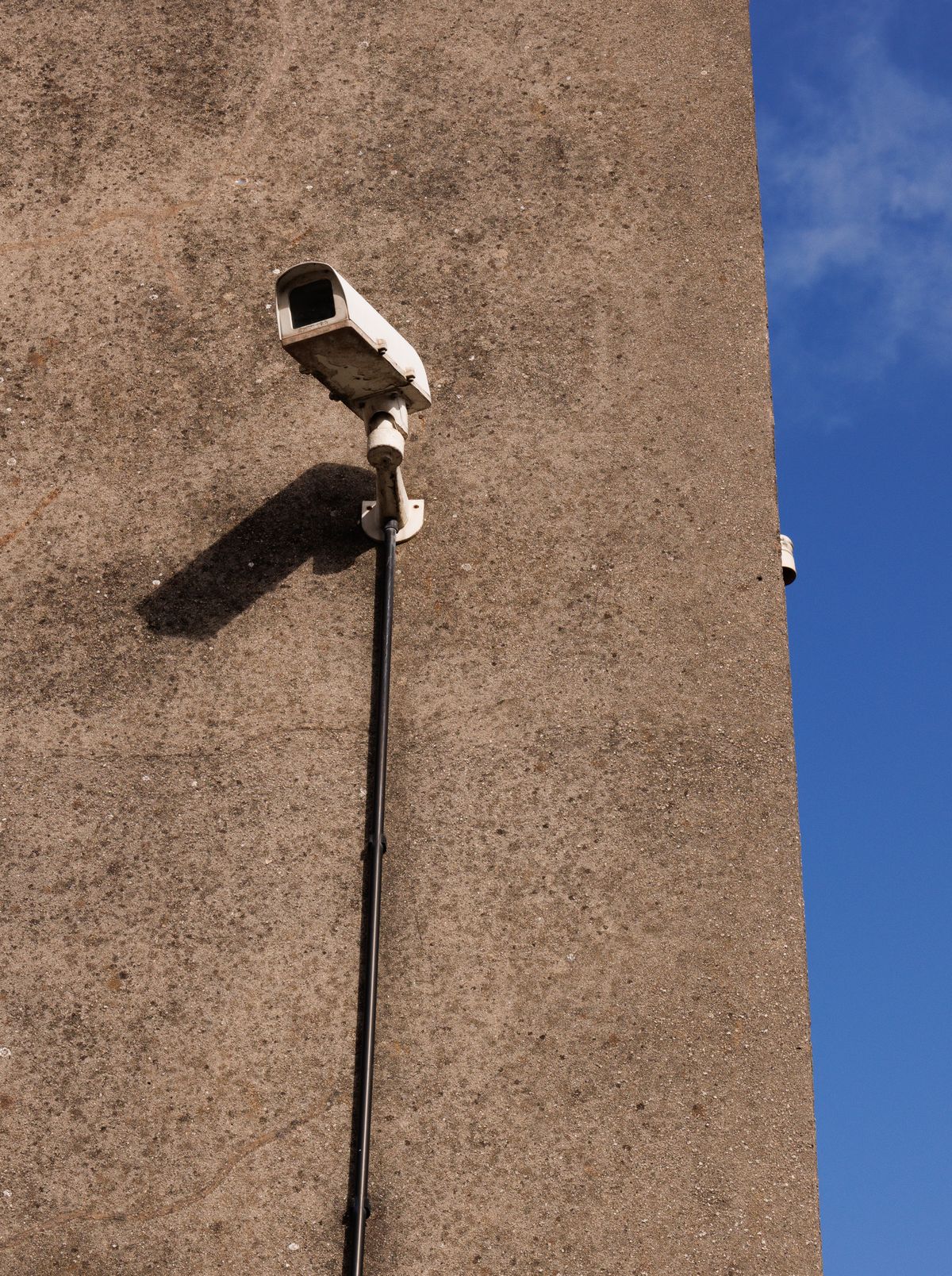
Motion lights, cameras and alarms
Electronics belong in the second tier of predator protection. None of it is a barrier, and anything sold as a deterrent should be treated skeptically - predators habituate quickly to a stimulus that never has a consequence. What this kit does well is tell you what is visiting, when, and by which route, and that turns an expensive guessing game into a targeted fix.
Trail cameras
Highest valueAn infrared trail camera pointed at the run answers the only question that matters: what is it, and where is it getting in?
Why it winsKeepers routinely misidentify the culprit and then spend money fixing the wrong thing.
TipPoint it along the fence line rather than at it, set it low, and check it every morning after an incident.
Motion-sensor lights
UsefulA sudden bright light is genuinely startling the first several times, and it lets you see what is happening from a window.
RealityDeterrent value fades as animals habituate. Its lasting value is that it wakes you.
WatchDo not light the coop interior all night - it disturbs roosting birds and interferes with their rest.
Solar security lights
EasyNo wiring, no trenching, and adequate for a shed or run corner where mains power is a serious project.
RealityOutput and battery life drop sharply in midwinter, exactly when nights are longest.
WatchSite the panel for winter sun, and expect to clean it.
Deterrent lights
Weak evidenceFlashing red LED units sold as nocturnal predator deterrents.
RealityMixed evidence at best. Some short-term effect, fading as animals learn the light means nothing.
WatchNever let one substitute for mesh, a skirt or a latch. Supplement only.
Door and gate alarms
SituationalA cheap magnetic contact alarm on the run gate tells you if it has been opened or left ajar.
Good forHouseholds with children, visitors and deliveries, where gates get left open.
WatchOnly useful if somebody is home to hear it. Pair with a phone-linked camera otherwise.
Motion-activated sprinklers
Better than lightsA sudden burst of water is unpredictable and unpleasant, and animals habituate to it more slowly.
Good forDeterring cats and some canids from a boundary or a ranging area in mild weather.
WatchUseless in freezing conditions, and it will soak you as readily as a fox.
Detection & lighting
Amazon picksAs an Amazon Associate, PlantMapper may earn from qualifying purchases. Prices and availability are set by Amazon. No deterrent product is a substitute for physical exclusion, and none is recommended as a guaranteed solution.
Managing rats and vermin safely
Rats are the predator most keepers do not think of as one. They take eggs, they kill chicks, they foul feed, they gnaw through structures and open routes for other animals, and they carry disease that affects both your birds and you. They also arrive because of something you are doing - which means the fix is largely within your control.
Poison is not the answer for a backyard flock, and in the US the most potent rodenticides are no longer sold to homeowners, and consumer baits must be used in tamper-resistant stations. The approach that works is to remove the food, close the gaps and trap safely.
✓What works
In this order - the first two do most of the job.
- Remove the food. Metal bins with tight lids, no spillage, and no feed left out overnight.
- Collect eggs promptly and do not leave them in nest boxes overnight.
- Close every gap over ¾ in with metal - rats gnaw straight through wood and plastic.
- Raise the coop so there is no dark harborage underneath, or seal the base entirely.
- Clear the cover - woodpiles, long grass, trash and stacked pallets beside the run.
- Trap properly in covered, tamper-resistant boxes where poultry and pets cannot reach.
- Call a professional for an established infestation. They can work legally and safely around livestock.
×What to avoid
Common approaches that fail, or cause harm beyond the rats.
- Rodenticide where poultry can reach it. Chickens will eat bait directly. This is a fatal mistake.
- Secondary poisoning. Poisoned rats kill the owls, foxes, cats and dogs that eat them.
- Open bait trays of any kind around livestock, children or pets.
- Ultrasonic repellers - there is no good evidence they work.
- Leaving feeders out overnight "just this once". This is how it starts.
- Assuming they will leave. A rat population beside a feed source only grows.
- Ignoring the health risk - rats spread salmonella and leptospirosis. Wash your hands, always.
The honest test: if you can see rat droppings in the coop, or tunnels at the base of a wall, you do not have "a rat" - you have a colony, and it has been there longer than you think. Deal with the feed store today, and expect the problem to take a few weeks to resolve even once you have.
What to do after a predator attack
It is a horrible morning and the temptation is to clear up and grieve. Do these things first, in this order - because the animal is coming back tonight, and because survivors often have injuries that are not visible.
Secure the survivors immediately
Before anything else, get every remaining bird into the most secure space you have - even if that means a shed, a garage or a dog crate for a night. Do not leave them in a run that has just been breached.Check every bird properly, by hand
Predator wounds are deep punctures that seal over and become infected within a day or two, and thick feathering hides them completely. Part the feathers over the back, breast, vent and under the wings on every survivor. Any wound, limp, drooped wing or bird that is quiet and hunched needs a vet - and isolation, because flockmates attack blood. Chicken Health covers wounds and reintroduction.Photograph the scene before clearing up
The evidence tells you what to fix, and it matters for insurance, for an animal control report where a dog was involved, and for your own recollection a week later when it has all blurred.Work out what it was
Use the signs table above. The route in is usually visible - digging at the fence line, a peeled corner of mesh, a torn net, an open latch, or nothing at all, which points to a door that was left open.Find and fix the breach before dark
This is the step people postpone and the one that matters most. A predator that succeeded will return, usually the very next night, and often earlier in the evening. You have one day.Remove the attractant
Clear carcasses and remains, remove spilled feed, and lift feeders overnight. Do not leave anything that rewards a return visit.Set a camera
If you are not certain what it was, or whether it comes back, a trail camera on the run for a few nights will tell you, and will tell you what time it comes.Watch the flock for two weeks
Frightened birds go off lay, eat less and start feather-pecking. Keep them somewhere secure and quiet, keep feed and water easy to reach, and give it time before you make other changes such as introducing new birds.
Emergency predator response - when to call a vet
- Any visible wound, however small. Puncture wounds from teeth and claws are deep, dirty and infect fast.
- A bird that cannot stand or bear weight, or that has a drooping wing.
- Bleeding that does not stop within a few minutes of gentle, steady pressure.
- Any bird involved in a dog attack, even with no visible injury - dogs crush and shake, and internal damage is common.
- A survivor that is quiet, hunched and off food a day or two later. Shock and infection both present that way.
Isolate injured birds somewhere warm, dry and quiet with their own food and water while you make the call, and keep them away from the flock until any wound has fully healed with no red visible. If you are unsure whether an injury needs attention, call and describe it - the call costs nothing and poultry deteriorate quickly.
The predator protection checklist
Everything above, reduced to the jobs that actually get done. Work through the one-off column once and the rest becomes a habit.
One-off hardening
A weekend, once
- Replace all chicken wire with ½-inch hardware cloth.
- Re-fix mesh with screws and fender washers, not staples.
- Seal every gap over ¾ in, vents excepted - mesh those.
- Lay an anti-dig apron or bury an L, all the way round.
- Carry the barrier across gateways.
- Cover the run - solid over part, mesh or aviary net over the rest.
- Fit two-action latches on every door, hatch and nest-box lid.
- Move perches at least 12 in from any mesh face.
- Seal or raise the coop base.
- Remove launch pads - bins, woodpiles, overhanging branches.
Every night
Before the light goes
- Count every bird in.
- Check bushes, roofs and nest boxes for stragglers.
- Shut and double-latch the pop-hole.
- Close and latch the run gate.
- Lift feeders if rodents are active.
- Collect the eggs.
Every week
Ten minutes
- Walk the perimeter looking for fresh digging.
- Shake-test panels and gates.
- Operate the automatic door by hand.
- Test the electric fence with a tester, if you run one.
- String-trim under the fence line in the growing season.
- Check for rat sign - droppings, gnawing, tunnels.
Every month
With a flashlight
- Flashlight survey after dark - light out means a way in.
- Check every fixing for corrosion and working loose.
- Inspect mesh for rust, tears and peeled corners.
- Check apron pegs are still holding.
- Service latches - oil anything stiff before it gets left undone.
- Review the trail camera if one is out.
Seasonal
Spring & fall
- Full perimeter rebuild-check before spring cub season.
- Again before winter, when nights lengthen and prey is scarce.
- Re-peg aprons after frost heave and heavy rain.
- Cut back branches overhanging the run.
- Check run roofs will carry snow load.
- Re-time the automatic door for the season.
After any incident
Same day
- Secure survivors in the strongest space you have.
- Hand-check every bird for hidden wounds.
- Photograph everything before clearing up.
- Find and fix the breach before dark.
- Remove all attractants.
- Set a camera and expect a return visit.
Predator protection: frequently asked questions
The questions keepers ask most often about foxes, raccoons, mesh, latches, fencing and what to do when the worst happens.
What is the biggest threat to backyard chickens?
Across most of the US it is the raccoon, followed by dogs, foxes, coyotes and hawks, with snakes and opossums taking eggs and chicks in the South and bears a problem in rural mountain areas. But the honest answer is usually the keeper: most losses happen because a pop door was left open, the run was covered in flimsy chicken wire, or a latch a raccoon could work was the only thing between the flock and the outside.
Will a fox really come during the day?
Yes. The idea that foxes only hunt at night is one of the most costly myths in chicken keeping. Suburban foxes are active in daylight, and a vixen feeding kits in spring takes risks she would not take in October. Coyotes hunt in daylight too, especially at the edge of town. Free-ranging birds are vulnerable at any hour, and a daytime fox will often kill several birds in one visit.
Why do foxes kill every chicken and only take one?
It is called surplus killing, and it is normal predator behavior rather than malice. The panicked movement of a flock in an enclosed space keeps triggering the kill response, so the fox continues until nothing is moving. In the wild it would return to cache the rest; in a coop it is usually disturbed and leaves. The lesson for keepers is blunt: a single breach can cost you the whole flock, not one bird.
Is chicken wire enough to stop a fox?
No, and it is the most expensive mistake in backyard chicken keeping. Chicken wire keeps chickens in; it does not keep predators out. A fox or coyote can bite through it, a dog can push through it, and a raccoon can reach straight through the holes and pull a bird apart. Use ½-inch hardware cloth (19 gauge or heavier) on the coop and anywhere a raccoon can reach, fixed with screws and fender washers rather than staples.
What gauge and size mesh should I use?
½-inch hardware cloth is the US standard for coops, vents and the lower part of runs: small enough that a raccoon cannot reach through and a weasel cannot squeeze in. Choose galvanized 19 gauge or heavier (lower numbers are thicker). Use ¼-inch on brooders and anywhere snakes or rats are a problem. Larger 1 × 2-inch welded wire is fine high on a run wall, out of reach. Fix it with screws and fender washers every 4 to 6 inches, never a staple gun.
How deep should I bury wire to stop digging?
Either bury hardware cloth about 12 inches down and bend the bottom 12 inches outward in an L, or skip the trench and lay a horizontal apron of hardware cloth 18 to 24 inches wide flat on the ground all the way around the outside, wired to the bottom of the fence and pinned with landscape staples. The apron works just as well, because predators dig right at the fence line, and grass grows through it within a season.
Do I need a roof on my chicken run?
If the run is not attended, yes. A roof or a covered top does three jobs at once: it stops hawks, owls and other raptors dropping in, it stops foxes and cats climbing over, and it keeps part of the ground dry. Solid roofing over part of the run and heavy-gauge mesh or aviary netting over the rest is the usual compromise. An uncovered run is only safe when someone is genuinely watching.
Are birds of prey a real risk to chickens?
Yes. Red-tailed hawks, Cooper’s hawks and great horned owls take backyard chickens across the US, and owls hunt at dusk and before dawn, when many keepers assume the birds are safe. Bantams and young birds are most at risk. Hawks and owls are federally protected under the Migratory Bird Treaty Act, so the answer is a covered run, dense cover for ranging birds and supervised free-ranging - never harming the bird.
Can raccoons open latches?
Yes, and they are alarmingly good at it. Raccoons have dexterous hands and real problem-solving ability: simple hook-and-eye catches, sliding bolts, turn buttons and spring-loaded clips are all within their reach, and they will work at a latch for a long time. Anything securing a coop in raccoon country needs two independent actions to open - a barrel bolt with a carabiner or padlock through it is the usual answer.
What latch is actually predator-proof?
One that needs two distinct movements. A spring-loaded barrel bolt with a carabiner, snap hook or padlock passed through the hasp is the standard, because it defeats raccoon hands and the accidental nudges that open simple catches. Avoid hook-and-eye, twist toggles, magnetic catches and gravity latches on anything that keeps birds safe overnight. Fit them at the top and bottom of larger doors, since a determined animal will work at the corner that flexes.
Are automatic coop doors safe?
They are a genuinely excellent piece of kit and the single best insurance against the most common cause of losses - forgetting to lock up. A light sensor or timer closes the pop-hole at dusk without you being home. The caveats are real, though: batteries fail, mechanisms jam with bedding and ice, and a door that fails open on a winter night is worse than no door at all. Choose one with an obstruction sensor, test it by hand weekly in cold weather, and still count your birds in.
Does electric poultry netting work against foxes?
It works very well when it is properly maintained, and hardly at all when it is not. Electrified poultry netting run from a mains, battery or solar energizer is the standard defense for larger free-range areas and is what most commercial free-range units rely on. It only works if the energizer is delivering a proper shock, the netting is not shorted out by long grass, the ground is not so dry or frozen that the circuit is poor, and no gap has opened at the bottom. Check the voltage with a fence tester regularly rather than assuming.
Is electric fencing safe around children and pets?
Poultry netting energizers deliver a short, high-voltage, very low-current pulse - unpleasant rather than dangerous - but it is still a shock, and it should be treated with respect. Fit the warning signs supplied, site the fence where children and dogs are not going to blunder into it, follow the manufacturer’s instructions exactly, and never improvise an energizer or use mains wiring. Discuss any medical concerns, such as pacemakers, with a doctor. Electrified netting is not suitable everywhere and is not a substitute for a secure coop at night.
How do I stop a dog attacking my chickens?
Loose dogs kill more backyard chickens in some areas than wild predators do, and they usually do it in daylight while people are out. A dog cannot be deterred; it has to be physically excluded. That means a stock fence or solid boundary a dog cannot get under or through, gates that latch shut behind visitors, and never leaving birds free-ranging unattended where a dog could get in. Your own dog is not an exception until it has proved otherwise many times over - and even then, never leave a dog alone with a flock.
How high does a fence need to be to stop a fox?
A fox can clear a 6-foot fence and climb higher, and coyotes are just as athletic, so height alone is not the answer. A tall fence with an outward-facing overhang and a dig-proof apron at the bottom helps, but for most backyard keepers a fully enclosed, roofed run is cheaper and far more reliable than trying to fox-proof a whole yard.
How do I know what killed my chickens?
Birds gone with scattered feathers points to a fox or coyote. Several birds killed and left, with heads or necks damaged, suggests a weasel, mink or fox. Heads pulled through wire or birds killed at the mesh line is classic raccoon. A plucked circle of feathers with the carcass eaten in place is a hawk; one bird with the head missing is often an owl. Eggs and chicks vanishing is rats, snakes or opossums, and a chaotic scene with birds killed but not eaten is usually a dog. Photograph everything, then set a trail camera.
What should I do immediately after a predator attack?
Secure the survivors in the strongest space you have, even a garage or a dog crate. Check every bird by hand, because puncture wounds hide under feathers and infect fast; any injured bird needs a vet and isolation from the flock. Then find and fix the breach before dark, because a predator that succeeded will be back, usually the next night. Photograph the scene, and report a dog attack to animal control.
Will a predator come back?
Almost certainly, and soon. A fox, raccoon or coyote that has found a food source will return night after night until the food stops or the way in closes. This is why fixing the breach the same day matters so much, and why the temptation to leave a damaged run until the weekend is such an expensive one. Assume you have one night to make it right.
Do roosters protect hens from predators?
A good rooster watches the sky, sounds the alarm and puts himself between the flock and danger, which genuinely helps against hawks. He will not beat a fox, a coyote or a dog - he will just be the first casualty. Keep one for flock behavior and early warning if you are allowed to, never as security. Many US cities and HOAs ban roosters, so check your local ordinance first.
Do guardian animals such as geese or dogs work?
Livestock guardian dogs such as Great Pyrenees and Anatolian shepherds are highly effective on farms and homesteads, but they need training, space and a commitment most backyard keepers cannot make. Geese raise the alarm but lose fights with coyotes and foxes. Donkeys and llamas are used against coyotes on larger properties. None of them replaces a secure coop.
Do predator deterrent lights work?
The flashing red LED units sold as nocturnal deterrents have mixed evidence behind them. Some keepers report them helping in the short term, but predators habituate to a light that never changes and never comes with consequences, so effectiveness fades. Motion-activated lights and motion-activated sprinklers are more useful because they are unpredictable. Treat every deterrent as a supplement to physical exclusion, never as the thing standing between your birds and a fox.
Are trail cameras worth it?
Very much so, because they tell you what you are actually dealing with. Keepers routinely blame a fox for what turns out to be a raccoon, a neighbor’s dog or rats. A basic infrared trail camera pointed along the run gives you the species, the time and the route in, and it is invaluable evidence if a dog was involved.
How do I keep rats out of the chicken coop?
Remove the food and close the gaps - everything else is secondary. Store feed in metal bins with tight lids, never leave feed out overnight, clear spillage daily, collect eggs promptly, and block every hole larger than about ¾ in with metal, since rats gnaw through wood and plastic easily. Raise the coop so there is no dark harborage underneath, or seal the base completely. Rats take eggs and chicks, foul feed, spread disease and gnaw through structures, so a rat problem is a predator problem.
Is rat poison safe to use around chickens?
No, not where poultry, pets or wildlife can reach it. Chickens eat bait directly, and secondary poisoning kills the owls, hawks, foxes and cats that would otherwise be controlling rodents for you. In the US the most potent rodenticides are restricted to licensed professionals, and consumer baits must go in tamper-resistant stations. Remove the food source and trap in covered boxes, or hire a licensed pest control operator who can work safely around livestock.
How do I protect chicks and young birds?
Treat them as a completely separate security problem, because almost everything eats a chick - including rats, corvids, cats, snakes in parts of North America, and adult chickens. Brood them somewhere fully enclosed with mesh of ½ in or smaller on every opening including the top, keep them off the ground where possible, and never leave a broody hen and chicks in an unsecured run. Integration into the main flock happens only when the young birds are near adult size.
Are snakes a real risk to chickens?
In much of the US, yes - especially the South, East and Midwest. Rat snakes, king snakes, bull and gopher snakes take eggs and chicks, and larger snakes can kill young birds. Adult chickens are rarely at risk. Rattlesnakes and copperheads are a danger to you rather than the flock. Use ½-inch or ¼-inch hardware cloth on every opening, seal gaps at ground level, control rodents (which draw snakes in) and never handle a snake you cannot identify.
Can I safely let my chickens free-range?
You can, and most flocks are happier for it, but it is a risk you accept rather than remove. Supervise where you can, range in the late afternoon rather than all day, give dense cover such as shrubs and low shelters, use electric poultry netting for larger areas, and get the birds in before dusk. Don’t free-range unattended where coyotes or foxes have been seen in daylight, and check whether your town or HOA requires birds to stay on your property.
Can I trap and relocate a raccoon or fox that is after my chickens?
Check your state wildlife agency first. Many states require a trapping license, and many ban or restrict relocating raccoons, skunks, foxes and coyotes because they can spread rabies and relocated animals usually die or simply come back. Another animal will move into the territory anyway. Fixing the coop is cheaper and permanent; for a persistent problem, call a licensed wildlife control operator.
Is it legal to shoot or trap a hawk that is taking my chickens?
No. Hawks, owls and eagles are protected under the federal Migratory Bird Treaty Act (eagles also under the Bald and Golden Eagle Protection Act), and killing, trapping or harassing them without a federal permit is illegal, with heavy fines. Cover the run, add overhead netting or cover over ranging areas, and keep bantams and young birds enclosed. For a serious repeated problem, contact USDA Wildlife Services for advice.
Do I need ½-inch or ¼-inch hardware cloth?
½-inch hardware cloth stops raccoons, foxes, coyotes, weasels and most snakes, and it is the standard for coops and runs. Step down to ¼-inch for brooders and chick pens, and where small snakes or mice are a problem. Use 19 gauge or heavier, galvanized, and fix it with screws and fender washers.
What time do I need to shut the birds in?
Before dusk, every single night, without exception. Chickens put themselves to bed as the light goes, and the window between the last bird going up and full darkness is when most losses happen. In midwinter that means shutting up in the late afternoon, when many keepers are still out. If you cannot reliably be there, fit an automatic door - and still check the birds are all in, because a hen that has decided to roost in a tree will not be saved by a closed pop-hole.

Summary & key recommendations
If you remember only a handful of things from this guide, make them these.
Mesh, never netting
Chicken wire keeps chickens in, not predators out. Use ½-inch hardware cloth anywhere an animal can reach, screwed and washered.
They go under, not over
A pegged mesh apron 18-24 in wide around the whole run - gateways included - stops digging without a trench.
Cover the top
One job that closes both the aerial route and the climbing route, and keeps part of the ground dry into the bargain.
Two actions, every latch
A bolt plus a carabiner or padlock. Hook-and-eye and simple slide bolts are opened by raccoons and by the wind.
Shut and count, every night
The pop-hole closed before dusk and every bird counted in. It saves more flocks than all the hardware combined.
Identify before you spend
Read the signs, or set a trail camera. Keepers fix the wrong thing more often than they fix the right one.
Deterrents are supplements
Lights, noise and flashing units habituate. Physical exclusion is the only thing that reliably keeps working.
Fix the breach before dark
Whatever got in is coming back tonight. Same-day repair matters far more than a perfect repair next weekend.
More from the Chickens guides
Security sits on top of good housing, a well-built run and healthy birds. These guides cover the rest.
A secure coop still has to be a comfortable one
Hardening the coop is only half the job - what goes on the floor decides how dry, how healthy and how pleasant it is to live in. Bedding covers every material in depth. The structure behind everything on this page is covered in Chicken Coops and Chicken Runs, the cold-season view is in Winter Care, and anything injured belongs on Chicken Health. New to all of this? Take it from the top with Chicken Keeping Basics, or browse the whole Chickens hub.
Mesh, a skirt, a covered top and a latch that needs two hands - four things that prevent most of this page.

Disclosures & disclaimers
Not veterinary advice
Everything on this page is general educational guidance for chicken keepers. It is not a diagnosis, not a treatment plan, and not a replacement for examination and treatment by a qualified poultry or avian veterinary professional. Predator injuries are frequently far worse than they appear, because puncture wounds seal over and infect beneath intact-looking feathers. Any bird involved in an attack should be examined, and any bird with a wound needs veterinary attention.
Wildlife law and protected species
This page is about exclusion only. Nothing here should be read as advice to kill, trap, poison, relocate or disturb any animal. In the US, hawks, owls and nearly all native wild birds are federally protected under the Migratory Bird Treaty Act, and rules on trapping, relocating and killing mammals vary widely by state and county. Always check the current law where you live, and take advice from your state wildlife agency, USDA Wildlife Services or a licensed wildlife control operator before acting.
Electric fencing safety
Electric poultry netting must be installed and used exactly as the manufacturer instructs, with a purpose-made energizer, correct grounding and the warning signage supplied. Never improvise an energizer or connect netting to household wiring. Energizers deliver a genuine shock; site fencing away from where children and pets play, and seek medical advice if anyone in the household has a pacemaker or similar device. Check local ordinances and HOA rules before installing fencing on a property line or near a sidewalk.
Rodenticides and traps
The most potent rodenticides are restricted to professionals in the US, and poison is not appropriate around poultry: chickens eat bait directly, and secondary poisoning kills owls, foxes, cats and dogs. Traps must be used in tamper-resistant housings out of reach of poultry, pets, children and wildlife. For an established infestation, use a qualified professional pest controller who can work legally and safely around livestock.
Affiliate disclosure
Some links on this page are Amazon affiliate links. If you buy through them, PlantMapper may earn a small commission at no extra cost to you. It never affects what we suggest, and no product here is presented as a guaranteed solution to a predator problem.
Zoonoses and hand hygiene
Rodents and wild animals around a coop bring disease risk to you as well as to your birds, including salmonella, campylobacter and leptospirosis. Wear gloves when clearing after an incident, wash your hands thoroughly afterwards, keep coop footwear separate, and supervise children closely around poultry and anywhere wildlife has been active.